


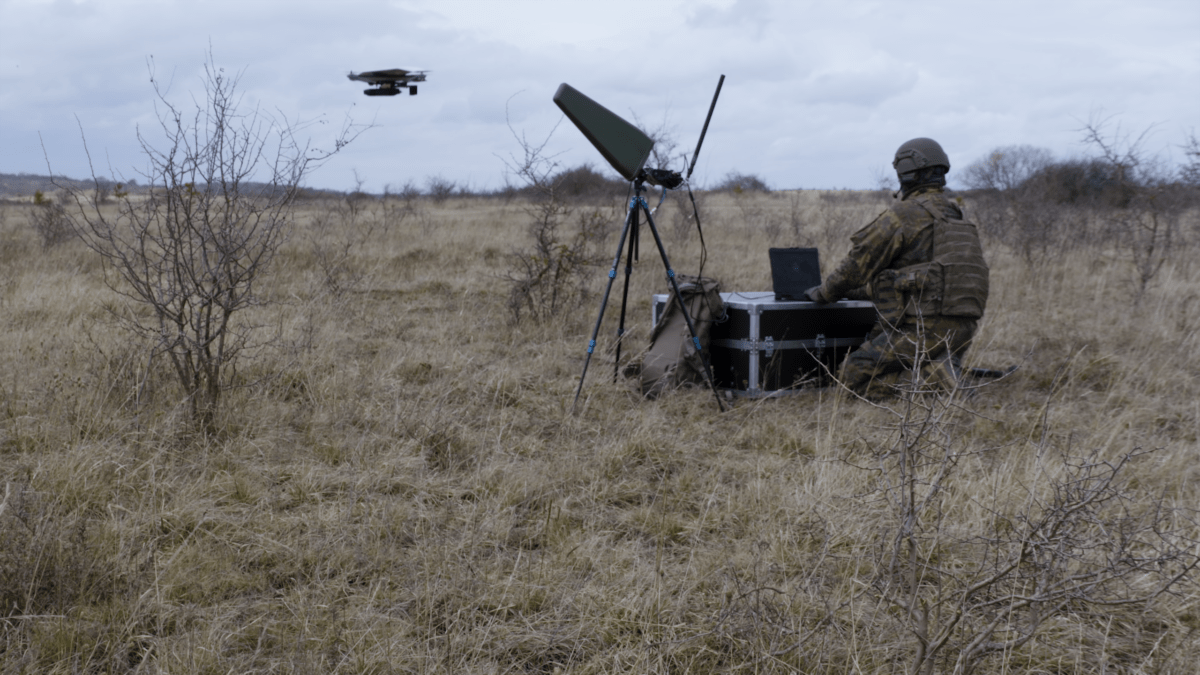
Sentinel system expansion reflects rising need for deployable, cost-effective air defense solutions
Alpine Eagle, a European counter-drone technology company, is expanding production of its Sentinel system as demand rises across defense markets. Governments are seeking fast, deployable tools to counter growing drone threats.
The Munich-based company announced plans to scale manufacturing and expand partnerships. The move follows increased adoption of its system across Europe.
Sentinel was first deployed with the German Bundeswehr in 2024. Since then, Alpine Eagle has secured contracts with three additional European customers. The company has also expanded operations into the United Kingdom and the Netherlands.
Sentinel combines airborne radar and sensor networks with a software-driven defense system. It detects and tracks hostile drones across wide areas and engages them using airborne interceptors.
Expansion Through Partnerships and Production
Alpine Eagle is now participating in a defense innovation program in the Netherlands. The company has also conducted trials in Ukraine and joined Project Vanaheim, a counter-UAS exercise involving U.S. and U.K. forces.
To support growth, Alpine Eagle is working with Dutch UAV manufacturer DeltaQuad. The partnership integrates Sentinel with the DeltaQuad Evo platform. This approach allows Alpine Eagle to scale production using existing industrial capacity.
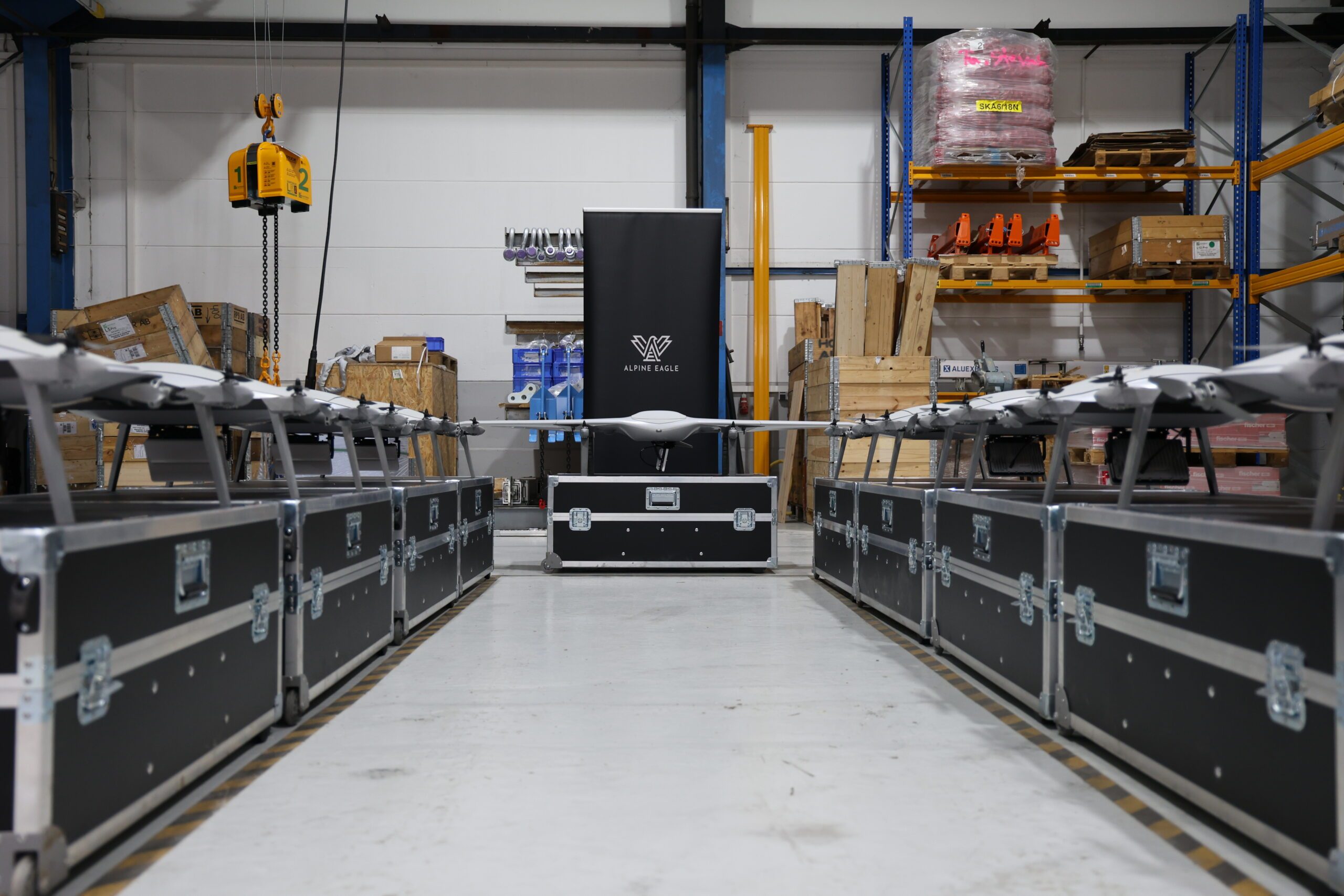
The company stated that this model strengthens European supply chains. It also allows faster delivery compared to traditional defense programs.
Alpine Eagle plans to open a 2,000-square-meter facility near Munich. The site will focus on producing its proprietary interceptor systems. This expansion supports the company’s next phase of industrial growth.
The company has grown quickly. Its team increased from 12 employees in 2024 to 50 in 2026. Alpine Eagle expects to reach 100 employees later this year.
Rising Demand for Scalable Air Defense
The company’s growth reflects a broader shift in modern warfare. Conflicts in Ukraine and the Middle East have shown how drones can reshape air defense.
Low-cost drones can overwhelm traditional systems. In response, governments are prioritizing solutions that can scale quickly and operate at lower cost.
Recent attacks highlight the challenge. Analysts estimate that defenders spent more than $1.5 billion intercepting drones in the Middle East. The attacking systems may have cost about $250 million. This cost imbalance is driving demand for more efficient counter-drone tools.
Tested in Operational Environments
Alpine Eagle has tested its technology in real-world conditions. Trials in Ukraine exposed the system to large-scale drone attacks and GPS disruption.
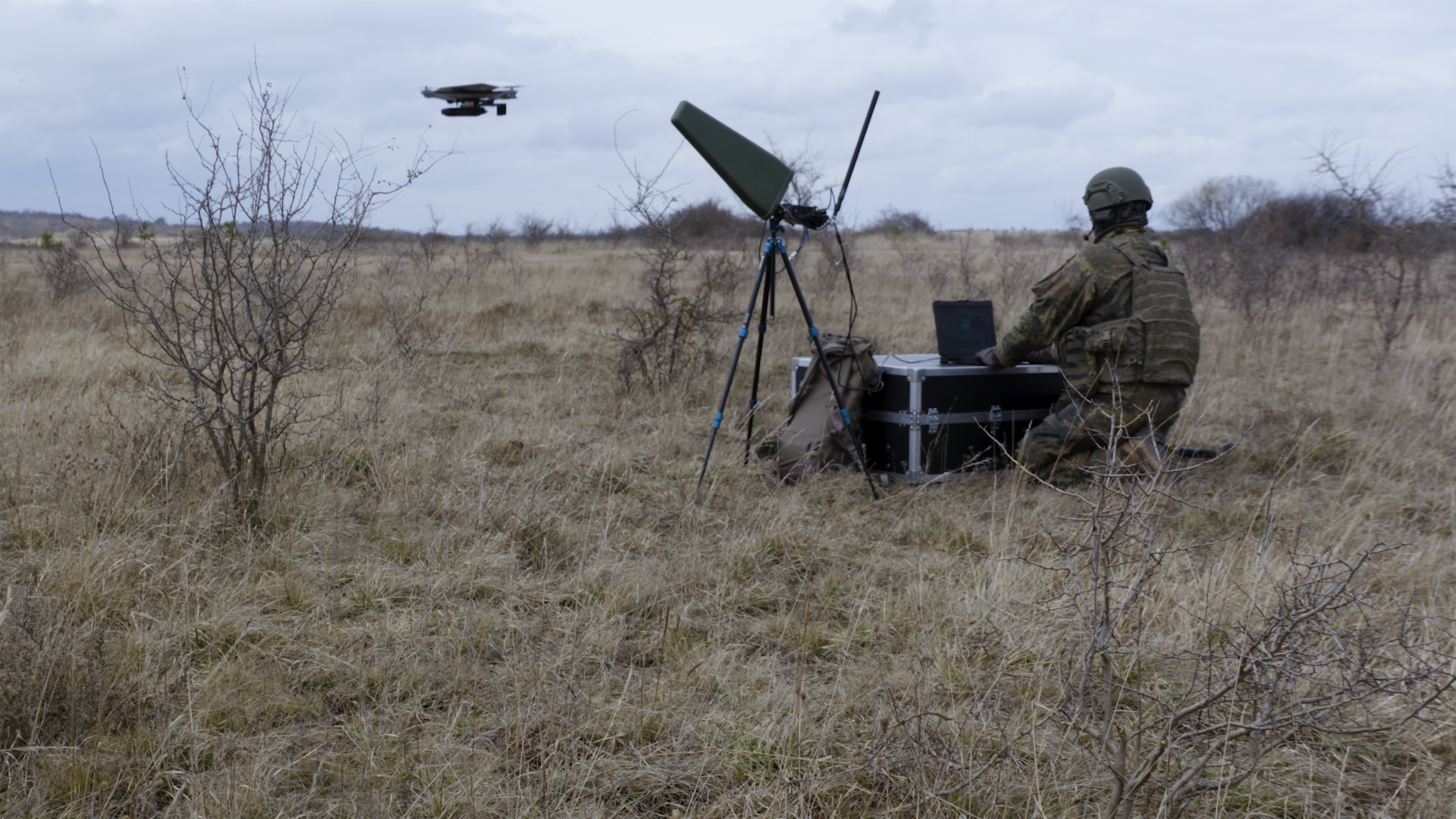
These conditions require systems that remain reliable under pressure. The company says its platform is designed for these environments.
Jan-Hendrik Boelens, Founder and CEO of Alpine Eagle, said: “Defence ministries are increasingly looking for systems that can be delivered quickly and scaled as operational demand grows. By building on existing industrial capacity and integrating it with our own sensor and software architecture, we can provide counter-drone capability that is both deployable and scalable.
I’m incredibly proud of what the Alpine Eagle team has achieved over the past year. The reality is that threats facing Europe are higher than they have been for decades and drones are transforming the battlefield faster than traditional defence systems can adapt. Our mission is to ensure democracies have the tools they need to defend their airspace in this new era of warfare.”
About Alpine Eagle
Founded in 2023, Alpine Eagle develops airborne counter-drone systems. Its Sentinel platform detects and classifies small drones. The Sentinel-OS software integrates with multiple hardware systems to protect military and national infrastructure.
The company has raised more than €10 million in funding. Investors include IQ Capital, General Catalyst, and HCVC.
Read more:

Miriam McNabb is the Editor-in-Chief of DRONELIFE and CEO of JobForDrones, a professional drone services marketplace, and a fascinated observer of the emerging drone industry and the regulatory environment for drones. Miriam has penned over 3,000 articles focused on the commercial drone space and is an international speaker and recognized figure in the industry. Miriam has a degree from the University of Chicago and over 20 years of experience in high tech sales and marketing for new technologies.
For drone industry consulting or writing, Email Miriam.
TWITTER:@spaldingbarker
Subscribe to DroneLife here.

