


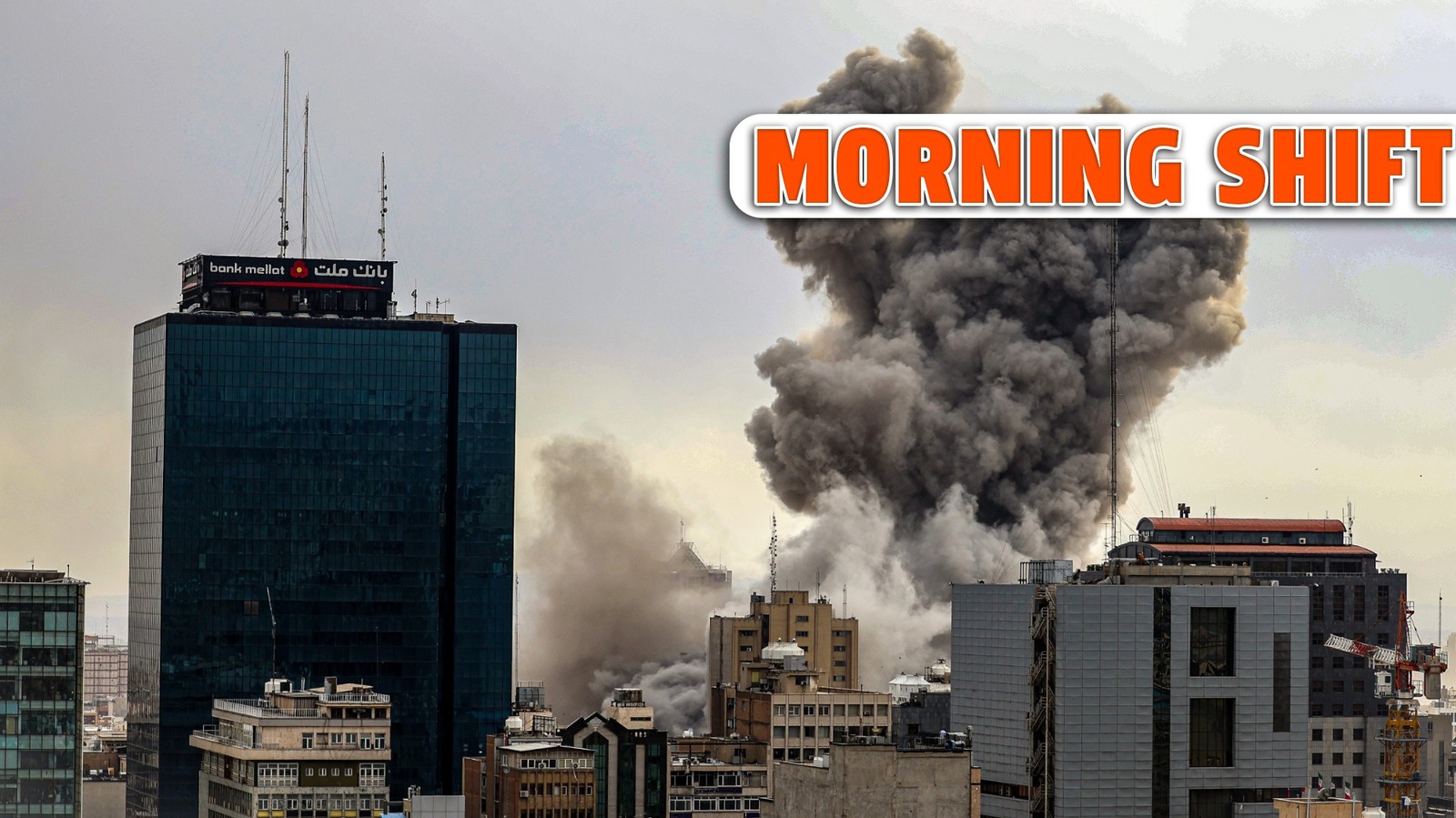
Automakers from around the world like Toyota, Hyundai, Stellantis and a handful of Chinese OEMs are being forced to deal with the mounting issues of a prolonged U.S.-Israeli war with Iran that could disrupt shipments, raise oil prices and threaten to crater vehicle sales far beyond the Middle East. Of course, these issues pale in comparison to the human toll this war has taken on people who live in and around Iran, as well as troops in the area, but I guess you’ve gotta feel for these multi-billion-dollar multi-national corporations as well.
At the very least, global operations for many of these carmakers hasn’t been greatly impacted thus far. However, Bernstein equity research says that Asian brands have have a substantial presence in the Middle East, so if the war goes on for a while, they’re certainly going to feel it. From Automotive News:
Toyota accounts for 17 percent of Middle East regional sales, Hyundai for 10 percent and Chery for 5 percent, according to Bernstein’s March 4 analysis. Inside Iran, Chinese players including Chery, Jianghuai, Hainan Automobile and Changan are the main international players.
Established global brands are mostly absent from Iran, due to sanctions. Iran is the biggest automotive market in the region, accounting for about 38 percent of its 3 million sales last year.
Among European automakers, Stellantis faces heavy impact from the conflict, Bernstein said. Its pain point stems mostly from the threat of rising gasoline prices, due to curtailed oil shipments.
There are three overall impacts on the automotive industry, and they vary by manufacturer.
There is direct disruption to sales inside Iran. There is disruption to vehicle deliveries throughout the region, affecting wider shipments and sales at international players.
Big regional sellers such as Toyota or Hyundai could feel this pinch. So might producers of exotics and high-end sports cars, such as Ferrari.
Finally, there is disruption from rising pump prices, due to interrupted oil tanker movement through the Strait of Hormuz. Higher crude prices could negatively affect automakers such as Stellantis, which are heavily invested in internal combustion powertrains.
Things are even tougher for Iran’s domestic manufacturers like Khodro and SAIPA, and Chinese companies are expected to feel the biggest squeeze from the fighting.
Zoom out, and international players face potential sales impact in neighboring markets such as Saudi Arabia, the United Arab Emirates, Israel, Kuwait and beyond. Business there could be crimped by shipping disruption. Toyota, Hyundai and Nissan have big regional volumes.
Toyota will cut output by 40,000 vehicles to account for possible logistic disruptions in shipments to the Middle East, Japan’s Nikkei newspaper reported.
Affected nameplates include the Land Cruiser and other SUVs, it said.
[…]
The region accounted for 17 percent of Chinese passenger vehicle exports in 2025, according to Bernstein. The country’s automakers shipped about 500,000 vehicles last year.
It’s not looking like this war is going to end anytime soon. Initially, President Trump said the war would only last a month or so, now Central Command is reportedly saying it could last well into the fall, according to NewsNation. I wouldn’t be surprised (and neither would historians) if it goes on much, much longer than that.

