


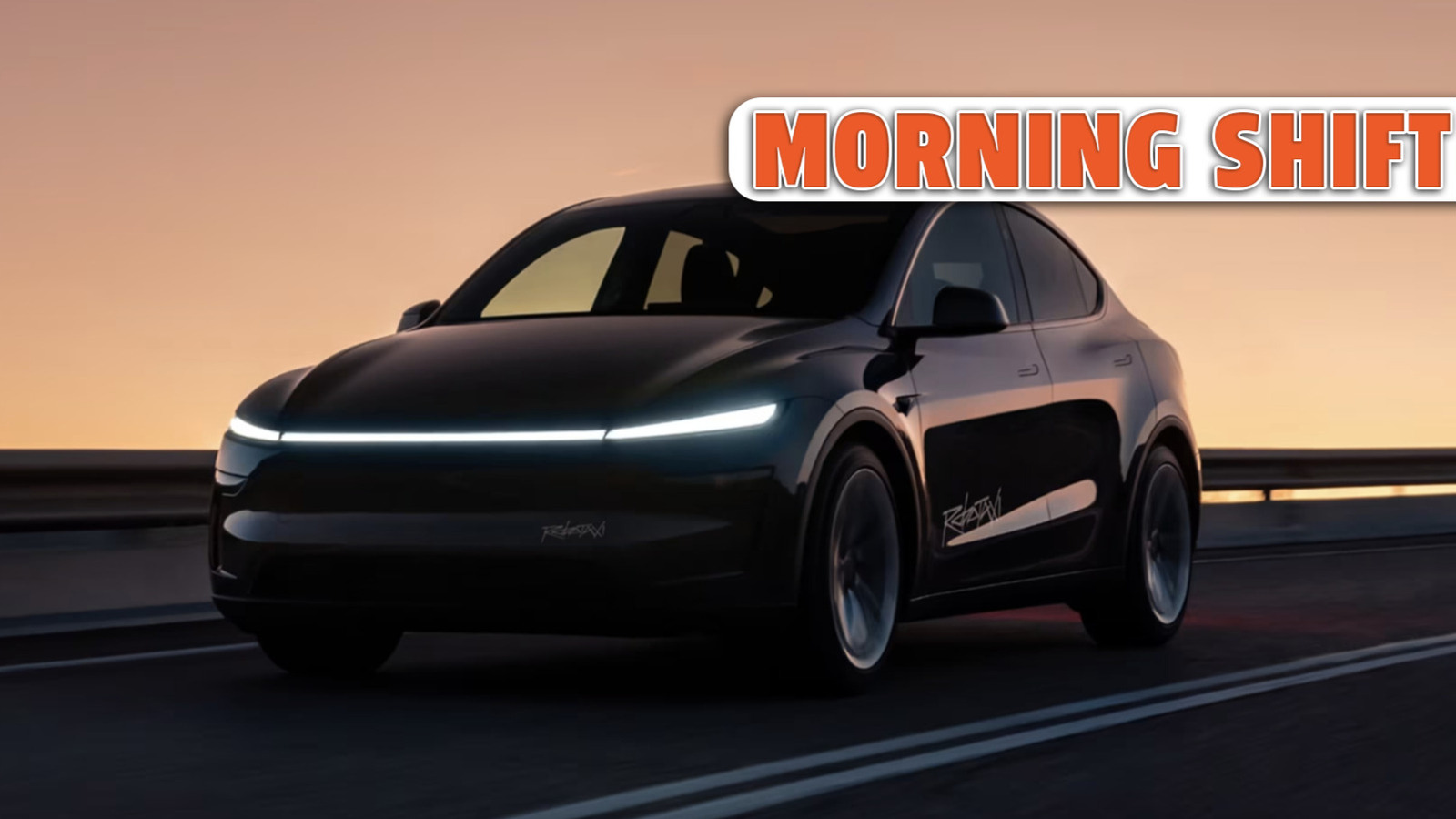
Elon Musk is always talking about how Tesla is just a few months away from actually delivering on the thing he promised years ago. One such example is Tesla’s plans to launch its driverless robotaxi service in California. Apparently, the Austin, Texas-based automaker is just waiting on state regulators to give it the go-ahead. Here’s the thing, though: Tesla isn’t doing anything to actually make that happen.
2025 came and went without Tesla securing approval from the California Department of Motor Vehicles, and during that time, it logged precisely zero autonomous test miles driving on California roads — the sixth year in a row where that was the case, according to DMV records. As you may have imagined, documenting test miles is critically important for California’s regulatory system for robotaxis. The state requires companies to progress through a series of permits before being allowed to operate a driverless ride-hailing service. Look at Alphabet’s Waymo as an example of a company going through the proper procedures. From Reuters:
Much of Tesla’s $1.5 trillion market value is tied to investors’ belief that it will soon operate a vast fleet of robotaxis and sell millions of autonomous-driving software subscriptions. Operating driverless vehicles in California – the largest U.S. auto market – is a linchpin of those ambitions.
Bryant Walker Smith, a University of South Carolina law professor and autonomous-driving expert who has consulted for the California DMV, said Tesla is implying that “they are ready and regulators are not,” while the reality is that “regulators are ready, and they are not.”
[…]
On an earnings call in October, Musk told analysts that the company is “paranoid about safety” and that it takes a “cautious approach” to new markets. “We probably could just let it loose in these cities,” he said, “but we just don’t want to take a chance.”
So far, Tesla operates only a small pilot robotaxi service in Austin, Texas, which has far fewer regulatory barriers than California.
In the San Francisco Bay Area, the company last July started operating what it called a “robotaxi” service that was not a robotaxi service at all. Instead, it is a chauffeur service with human drivers who use Tesla’s “Full Self-Driving” driver-assistance software, which is not fully autonomous, according to the state regulator authorizing the service and Tesla’s disclosures to customers.
In order to operate fully self-driving vehicles in California, like Waymo, Tesla would first need to obtain permits to test and operate driverless vehicles from the state’s DMV and Public Utilities Commission, which regulates commercial ride-hailing.
So far, Tesla only has the entry-level DMV permit. It allows for testing of driverless vehicles, but only with human safety monitors in the driver’s seat. A spokesperson for the DMV says Tesla has not applied for any additional permits. It would need to log at least 50,000 miles (which feels sort of low) of autonomous driving on public roads in California with a safety driver before applying for a different permit that would allow it to test without one, Reuters reports. Since 2019, Tesla hasn’t logged any miles with state regulators, and if you go all the way back to 2016, only 562 miles show up.
On the other hand, Waymo has logged over 13 million test miles and received seven different regulatory approvals between 2014 and 2023. If Tesla has any intentions of ever catching up, it better get its act together quickly, but I sort of doubt that’ll happen. Of course, the stock will remain unaffected and Musk’s job will be as secure as ever, because none of this really matters to the board or shareholders.

