


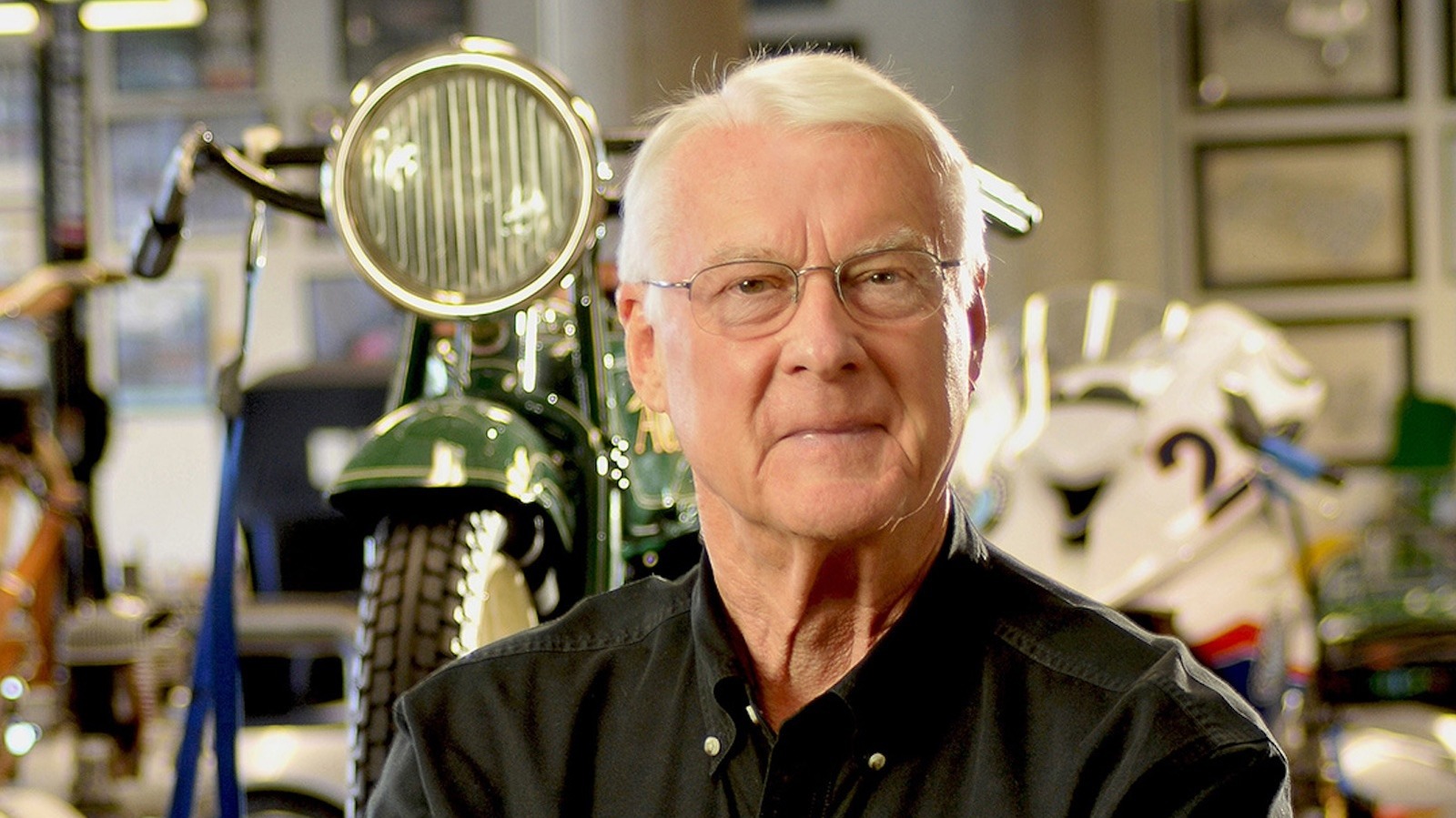
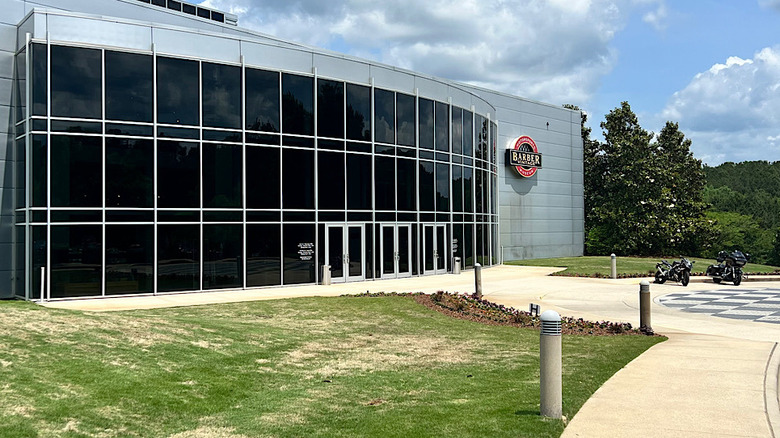
Many of us have made the pilgrimage to the Barber Vintage Motorsports Museum, or perhaps driven the adjoining road course which our readers named one of the ten prettiest in the world. The museum has announced in a Facebook post that the man behind this facility, George Barber Jr., has passed away.
We are deeply saddened by the passing of George Barber. He built more than an organization—he built a community. We are grateful for his vision and leadership, and we will share additional information in the days ahead.
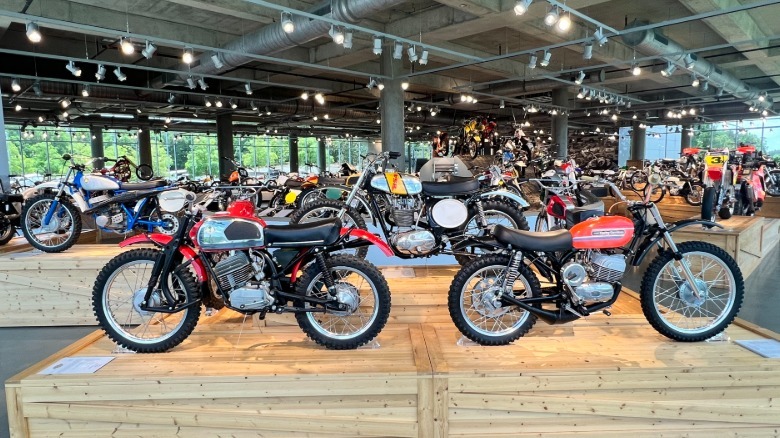
Barber caught the need for speed and raced Porsches in the 1960s, winning 63 races in his career according to the museum. He put that on the back burner to take over the family business, Barber’s Dairy, when his father died in 1970, according to a 2022 interview with Forbes. He started collecting and restoring classic cars in the late 1980s, but soon set his sights on a different dream: to build the best and largest motorcycle collection in the world.
 Justin Hughes / Jalopnik
The predecessor to the current museum opened in south Birmingham, Alabama, in 1995. Barber wasn’t finished yet, though. He’d also gotten into vintage motorcycle racing, and wanted the machines in his museum to not just look good, but also be in running condition. He needed a test track to do this. After selling Barber’s Dairy in 1997, he bought 880 acres to build not just a little track to test his bikes, but a world class road course, as well as a new home for the museum.
A legacy of speed
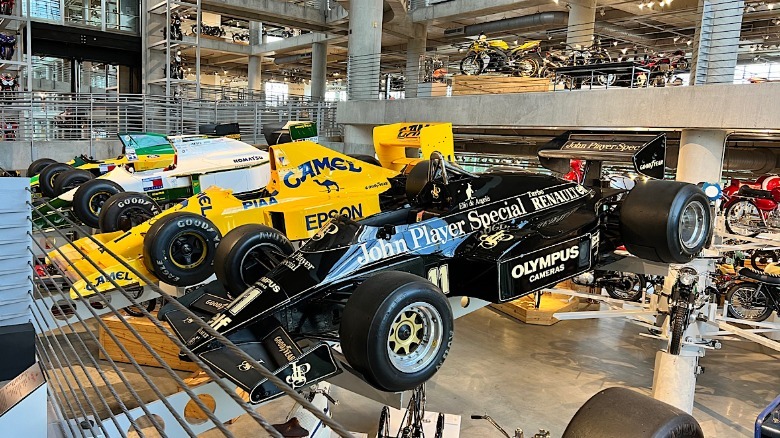
Barber’s collection has around 1,500 motorcycles, 800 to 900 of which are on display in the museum, with others on loan to museums around the world. It also has the biggest Lotus race car collection in the world, with championship-winning cars suspended in the air because the museum simply ran out of floor space to display them.
 Justin Hughes / Jalopnik
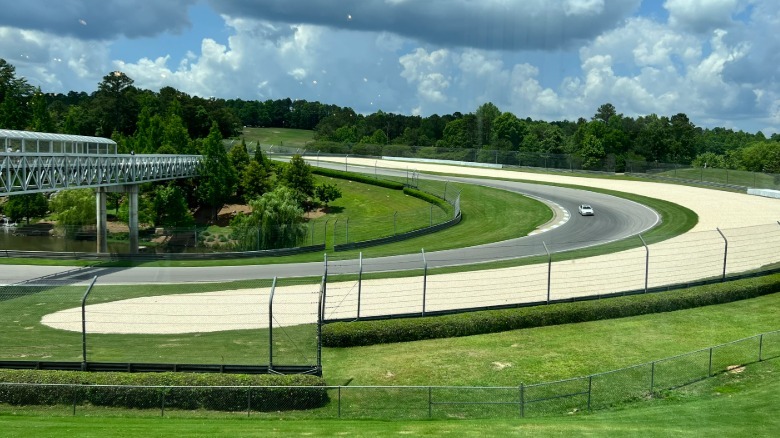
Meanwhile, the 16-turn, 2.38-mile road course fulfills Barber’s dream of both testing and showing his collection at speed rather than being restricted to museum displays. At other times, it hosts track days and races, including the Children’s of Alabama Indy Grand Prix. Barber consulted with racing legends including Carroll Shelby, Dan Gurney, and John Surtees in the design of the track.
 Justin Hughes / Jalopnik
Rather than packing as many spectators as possible into grandstands, visitors are welcome to roam around the grassy hillsides during races to watch from different locations, more like Lime Rock than nearby Talladega. Barber took the word “park” in the facility’s name quite seriously, incorporating trees and water fixtures around the track as well as leaving much of the surrounding forest intact.
 Justin Hughes / Jalopnik
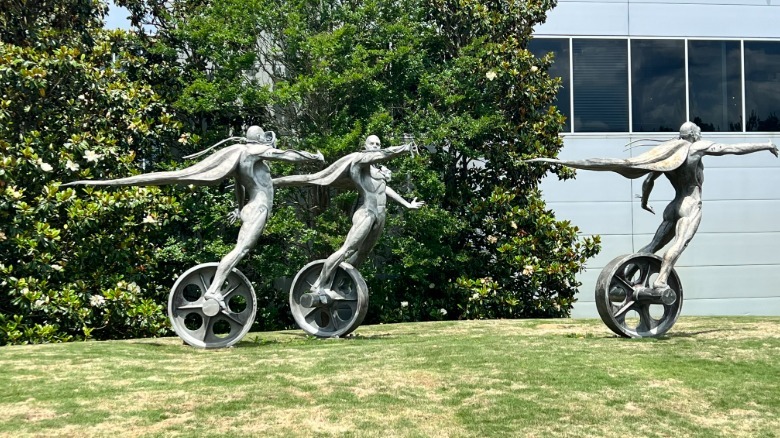
It’s also notable for “George’s Critters,” statues of various animals and other creatures scattered all over the park. Barber told Forbes how these creatures came to be:
“When we first started this, we were attacked viciously by the Cahaba River Society and those crazy environmentalists,” Barber explained. “I mean vicious. They would call us in the middle of the night and raise hell. It was unbelievable what they were doing to my people and me.
“So, I got the critters and the spiders and the various things around and I called in the press. I said, ‘Look at this, my God, the spiders and the critters and the animals, they drank this water around here and looked what happened to them. This is terrible.’
“Boy, they played it up big time and they really did us justice. The environmentalists saw this, and they backed off. We got our mojo back; we got our spirit back and we completed the project.”
The result is the unique race track and motorsport museum we know and love today. It’s an accomplishment that George Barber Jr. was quite proud of, and a fitting legacy.

