


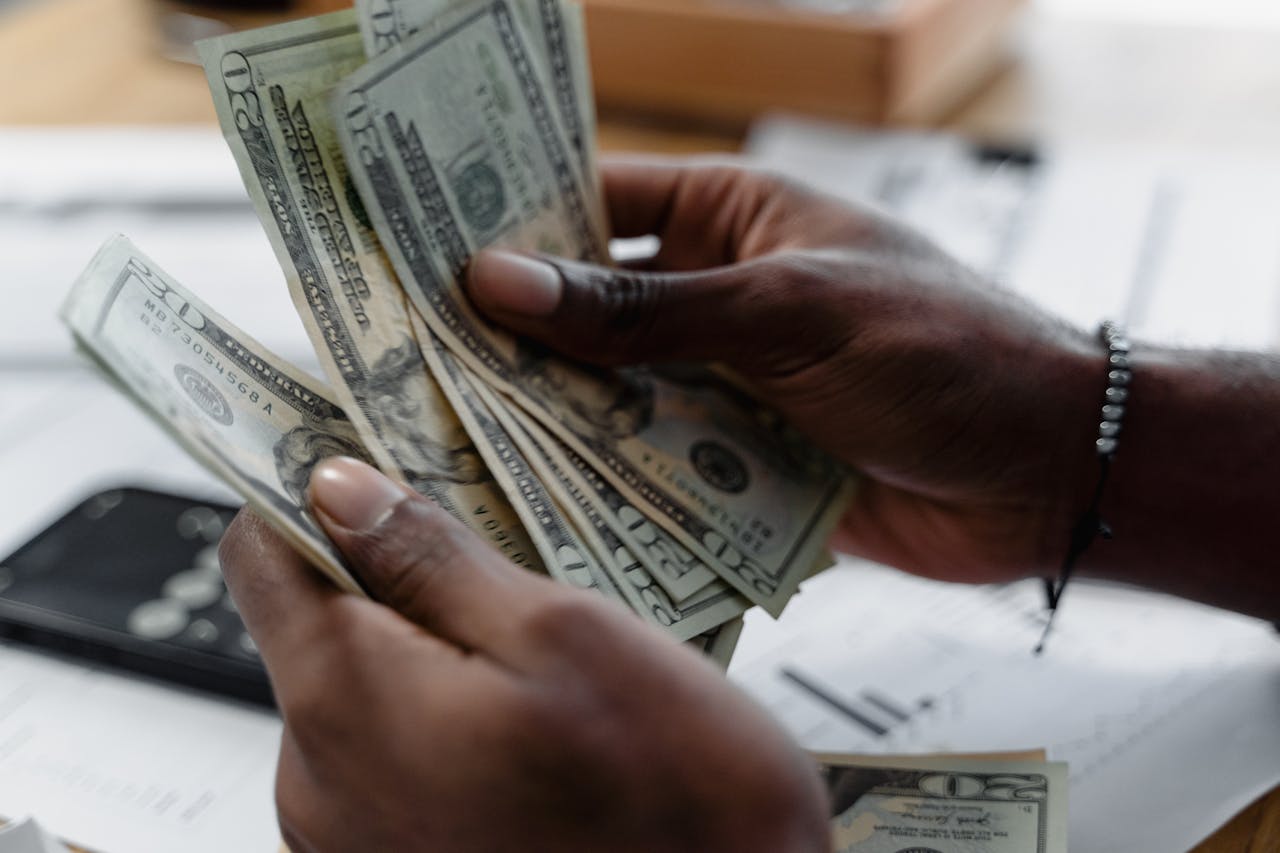
The Reparations Committee in Evanston, Illinois, will begin issuing $25,000 payments to 44 Black residents as part of its ongoing reparations initiative.
The payments are meant to help cover housing costs, Evanston official Cynthia Vargas said, and residents will be notified in the coming weeks as the funds are distributed, Fox News reports.
According to a city memo, the funding comes from $276,588 generated through Evanston’s real estate transfer tax, while officials have also discussed potentially taxing Delta-8 THC products to help sustain the program long term.
“It’s really important for people to understand we pay as we have the money, and it’s not that we’re withholding from paying everyone,” said Ald. Krissie Harris. “It’s just we have to accumulate the funds to make sure we can pay.”
The payments are part of Evanston’s groundbreaking reparations initiative launched in 2019 and approved by the City Council in 2021, which provides $25,000 payments to eligible Black residents and descendants of those who lived in the city between 1919 and 1969. As of Jan. 31, the fund had received no philanthropic donations this year and is largely supported by cannabis sales taxes and real estate transfer tax revenue.
Calls for reparations are gaining momentum across the nation, with new proposals emerging in state legislatures and grassroots advocacy. Several municipalities have launched exploratory efforts, forming committees to study the legacy of slavery and potential compensation models, while cities like Asheville, Durham, St. Paul, and Providence are developing targeted investment and restitution programs.
In June 2025, Evanston’s Reparations Committee reported it had distributed $6.36 million to ancestors and direct descendants of Evanston’s Black community. City officials said they had met with 116 of 126 eligible direct descendants, who received a combined $2.89 million, while 135 qualifying ancestors impacted by discriminatory housing practices received about $3.47 million.
But Evanston’s reparations program has its fair share of conservative pushback.
Last year, Judicial Watch filed a lawsuit challenging the initiative’s use of race-based eligibility, arguing it violates the Equal Protection Clause of the 14th Amendment.
“To date, Evanston has awarded over $6,350,000 to 254 individuals based on their race. The city must be stopped before it spends even more money on this clearly discriminatory and unconstitutional reparations program,” Judicial Watch President Tom Fitton said at the time.
RELATED CONTENT: Compassion Vs. Contract: Florida Bride Battles Venue For Refund After Fiancé’s Unexpected Death

