


We can probably all agree that drunk driving is bad. But should your car be able to shut itself down if it decides it doesn’t like the way you’re driving? Last week, Congress voted not to repeal a law that would require cars to do exactly that, reports NewsNation. The internet is now in an uproar about how there is going to be a “kill switch” in every car that the government can activate anytime they want to stop your car. That part isn’t true, as we’ve covered before, but the truth is still somewhat alarming.
The law in question is the HALT Drunk Driving Law, a well-meaning law backed by Mothers Against Drunk Driving. Signed into law as part of the Biden Administration’s 2021 Infrastructure Investment and Jobs Act, it requires cars to determine whether the person behind the wheel is too impaired to drive in one of three ways:
(A) monitors a driver’s performance to identify impairment of a driver;
(B) a system which passively detects a blood alcohol level equal to and exceeding .08 blood alcohol content; or
(C) a similar system which detects impairment and prevents or limits vehicle operation;
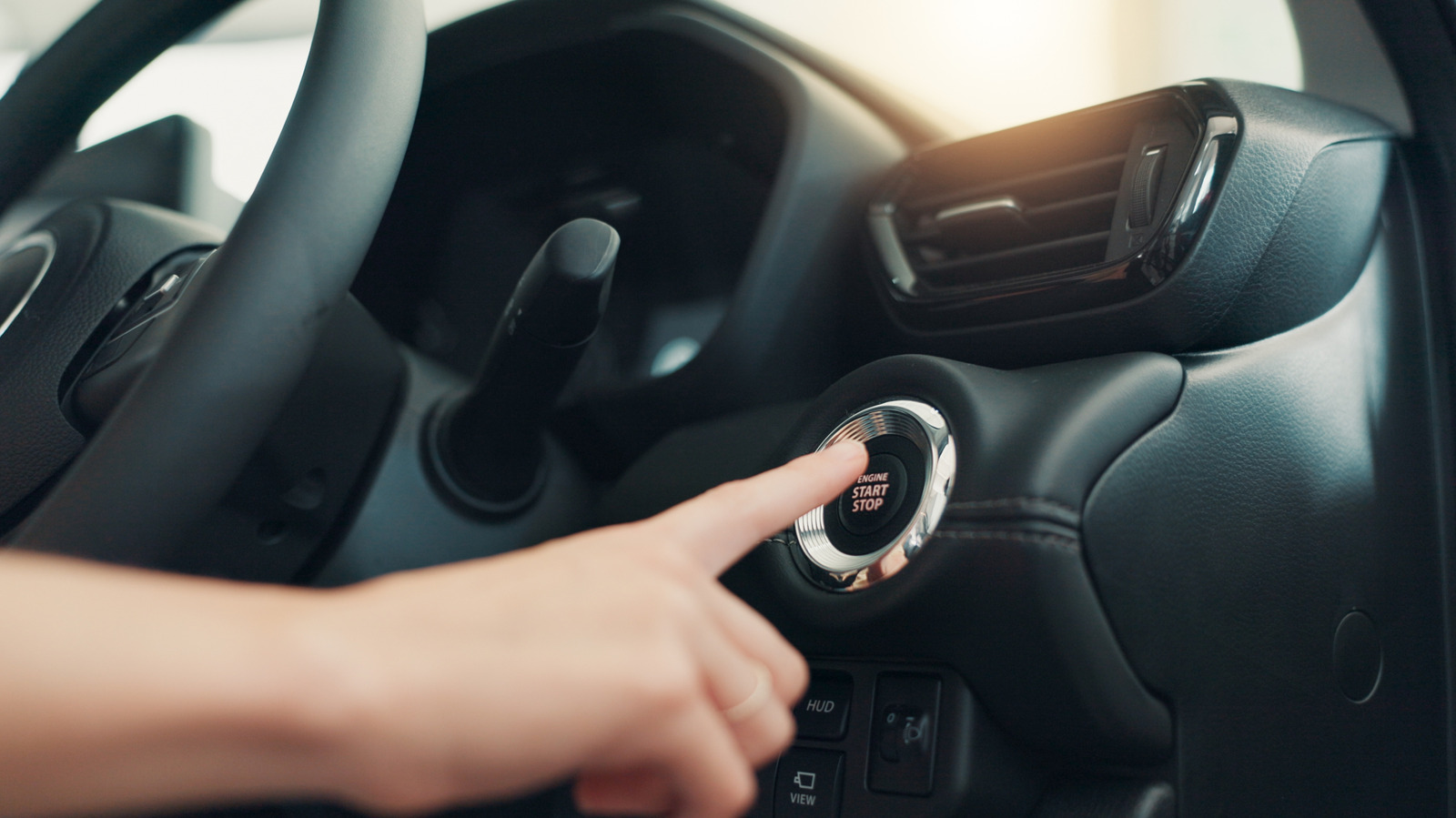
The requirement for “a passive system” prohibits existing breathalyzer ignition interlock devices, an active system that nobody really wants to use anyway. The Driver Alcohol Detection System for Safety is a system that could work for this purpose, scanning either the air you naturally exhale or your skin through the engine start button to determine blood alcohol content. Unfortunately, the DADSS website has not been updated in years, and it still promises deployment in consumer vehicles by 2024. So the responsibility falls to the vehicle itself to monitor the driver’s performance before and/or while they drive, likely using existing technology like cameras, sensors, and other telemetry.
An imperfect system
The main advantages of using equipment already built into your car for this sort of system are simplicity and reduced cost. But there are lots of issues to consider. For starters, existing sensors are pretty easy to fool, as we’ve seen with defeat devices that fool self-driving cars into thinking the driver’s hands are on the steering wheel. Then, there are potential false positives, where the system thinks you’re too impaired to drive, but you’re as sober as a judge.
This issue is what inspired Rep. Thomas Massie to introduce an amendment to defund this law. “Your dashboard should not be judge, jury, and executioner,” said Massie in an X post. He points out that there is no recourse once your car determines you’re impaired, correctly or otherwise, and no clear method to regain access to your own car once it’s shut down. He also pointed out that NHTSA has blown its 2024 deadline and still not submitted a draft proposal for exactly how to implement this, yet the law is supposed to take effect this year.
Rep. Scott Perry, who backed Massie’s amendment, added that if your car can shut itself down because it thinks you’re drunk, it’s no technological leap to give the government the ability to shut it down remotely, throwing gasoline on the “kill switch” rumor mill fire.
Privacy is a big concern too
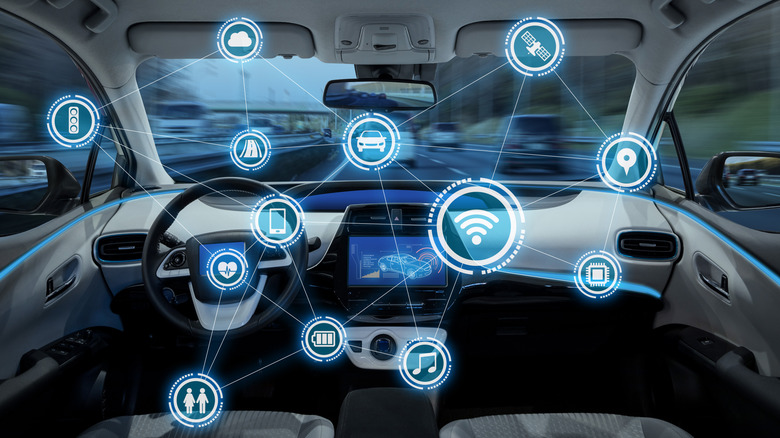
Another issue the law has not adequately addressed are the privacy concerns involved. If additional sensors or systems are added to vehicles, they could be logging and storing all sorts of data about driving habits and driving history. Who owns the data these sensors generate? Where is it stored? Who has access to it? Does the camera that’s supposed to be making sure you’re sober allow anyone to spy on you as you drive? To date, auto manufacturers have done a rather poor job at protecting the privacy of your data, and in some cases have sold it to third parties, so there’s not a lot of inherent trust that the data these systems collect will be kept private.
The law’s intentions are good. Drunk drivers should be kept off the roads, and the methods prescribed are intriguing, as long as they work properly. But the technology to implement the law effectively doesn’t seem to exist yet, and the legally mandated timeline to put this technology in cars it this year may not be feasible.

