


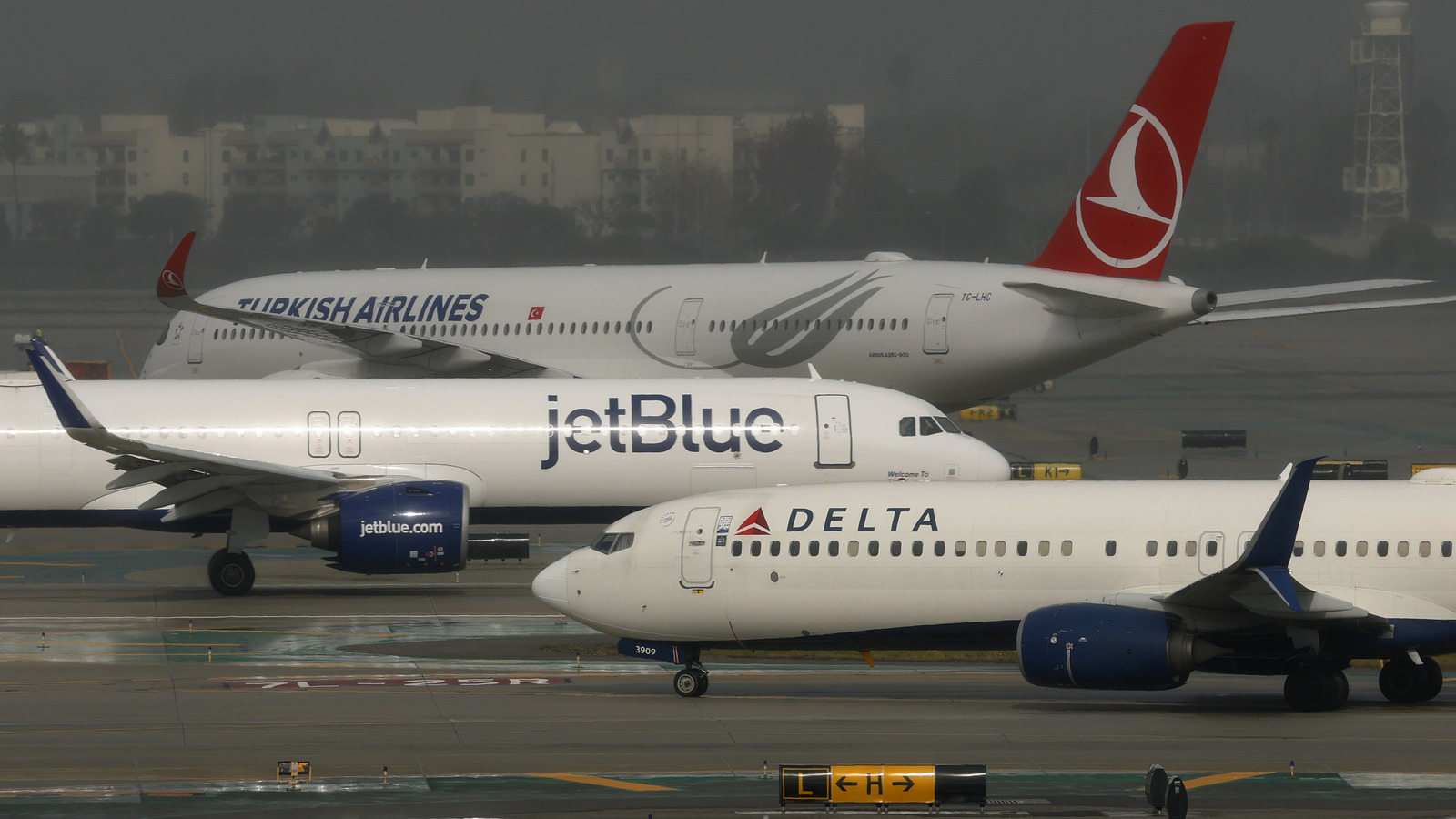
The FAA announced that 2025 was the busiest year for air travel in the United States since 2010, handling 17.2 million flights. That’s a major rebound from a mere 7.0 million flights in 2020, when pandemic lockdowns were in effect. That level of activity is good news for airlines, many of which are struggling to stay financially aloft these days. But it’s very bad news for an ailing air traffic control system that was already fraying even before a record-long government shutdown pummeled it even more. If the country continues its upward climb in flight volume, the limits of the ATC system are going to get very dangerous.
In the short-term, that climb is not guaranteed. For example, 2010 saw 16.9 million flights, but that number dropped to 16.0 million by 2012. It stayed there in 2013 and 2014, and returned again in 2016. Travel demand ebbs and flows and sometimes crashes, as it did in 2020.
The pressures of growing air traffic
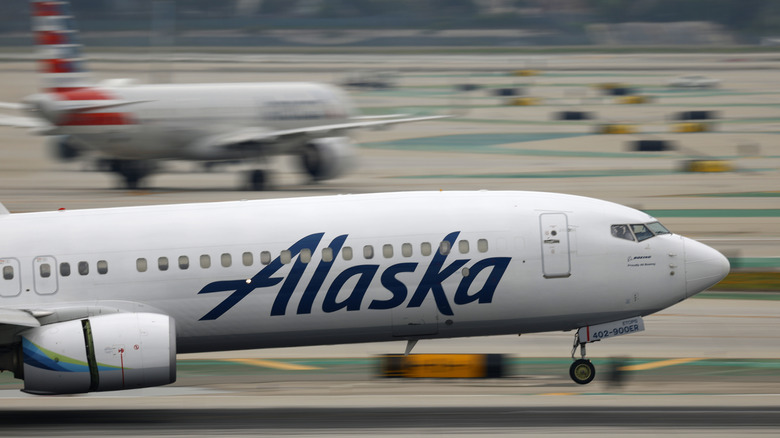
In the long-term, Boeing predicts an average annual traffic growth of 2.8% for the next 20 years. If Boeing is right, it’s going to necessitate on overhaul of the ATC system. The FAA is in the process of building its Brand New Air Traffic Control System (BNATCS), which it claims will be finished by 2028. That is a lot of work to do in a very short time. But it would be welcome if it happened.
In the meantime, there’s another building pressure in the form of the airplanes themselves. Since 2012, the total number of aircraft produced actually decreased by 5%, even though traffic grew by 60%. Production is ramping back up again, but this has meant that old planes are flying for longer. Sometimes too long, as in the case of the 34-year-old MD-11 flown by UPS that crashed in November. All told, demand for air travel is just outpacing the infrastructure. At some point, something is going to give.

