


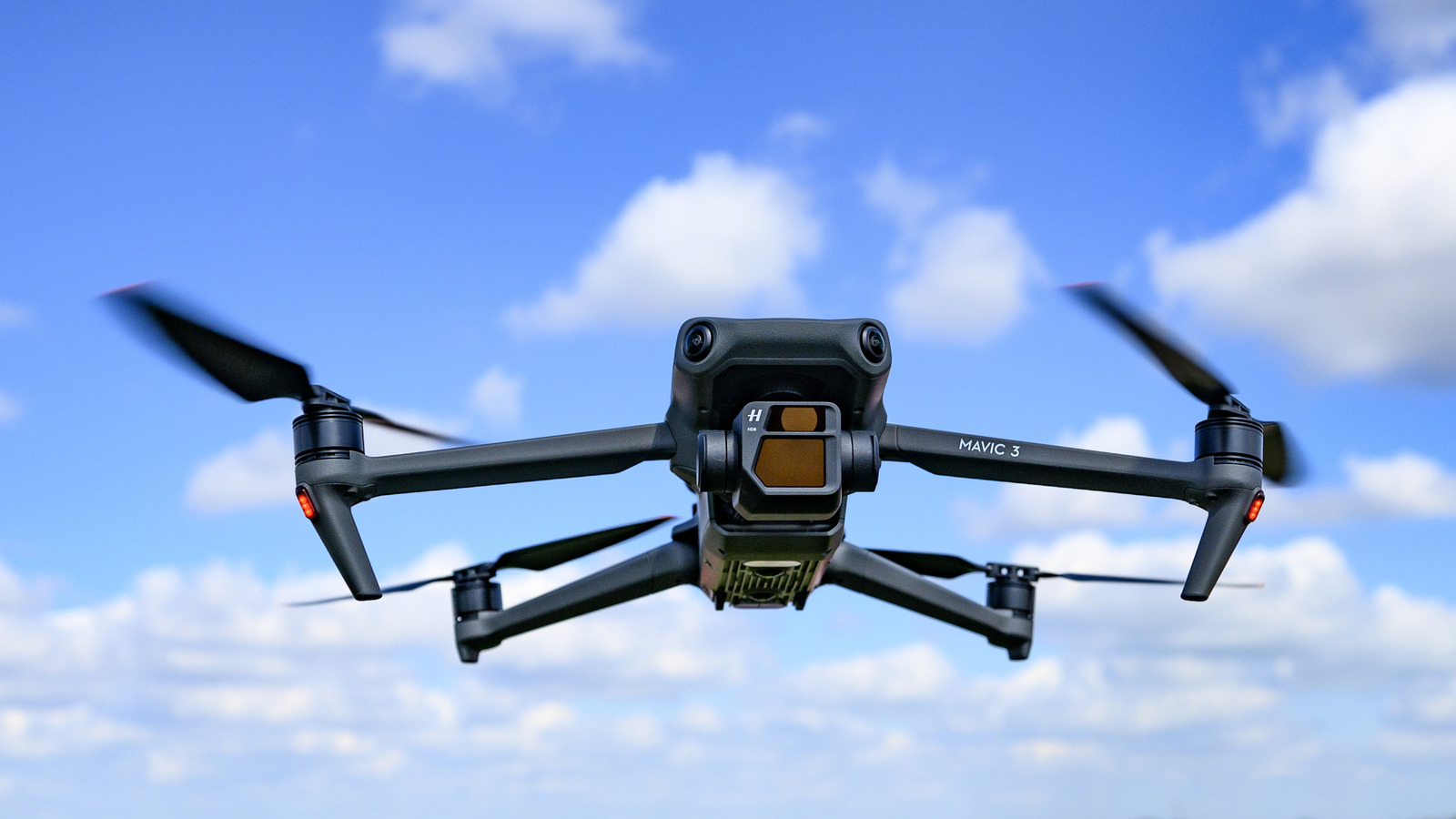
The FCC has prohibited the sale of all new foreign-made drones and drone components in the U.S., ostensibly as a matter of national security. As FCC Chairman Brendan Carr said on X, “Criminals, terrorists, and hostile foreign actors have intensified their weaponization of these technologies, creating new and serious threats to our homeland.” It is certainly true that drones are redefining the shape of modern conflict. But the question here is, if foreign drones get banned, why wouldn’t all these bad guys just buy American drones instead? It’s not clear how the prohibition solves the purported problem.
To be clear, this ban only affects any future drone models designed outside the U.S. In other words, anything you can buy right now will continue to be on sale. It’s just that any newer models will not be certified, so going forward, only old foreign drones and new domestic ones will be available. Take that, terrorists! However, the military and homeland security services can still request waivers for specific models they want. And given that many first responders use drones these days, it wouldn’t be surprising if they get waivers, too.
Remaking the drone economy by brute force
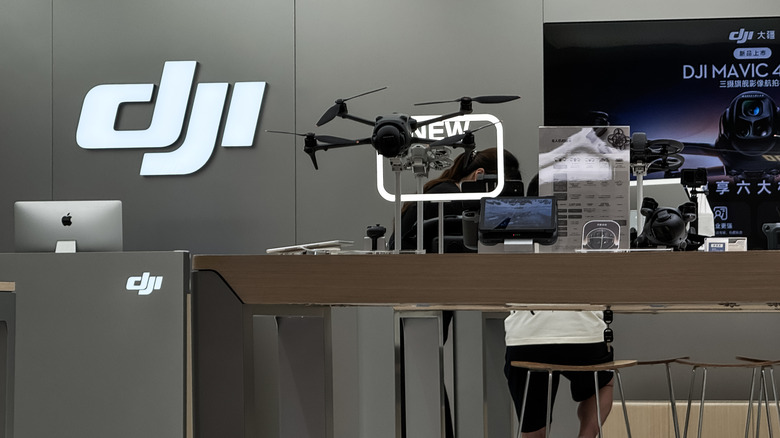
The real target here doesn’t appear to be terrorists, but the drone economy writ large. American domestic drone manufacturing remains relatively weak, which the Pentagon is trying to change by just dumping money on it. The Army alone wants millions of drones in the next few years. For security reasons, the Pentagon wants to buy American, but the production capacity just isn’t there right now. The hope is that juicy military contracts will incentivize a domestic boom.
But part of the reason those American companies struggle is because they are fighting the established dominance of foreign drones, specifically from China, and even more specifically from DJI. This one company commands upwards of 70% of the entire world’s drone market; its products are cheap, reliable, and capable. However, in this world of trade wars and Taiwanese tensions, relying so heavily on a Chinese company is a potential risk. Besides, they might not be secure: the Army banned DJI drones in 2017 for cybersecurity reasons, and they might even be sending all their information back to the Chinese government, per CNN.
So the Trump administration appears to have just taken a hammer to the whole situation. Bad drones go away! The problem, of course, is that leaves everyone who uses them in the lurch. Drones are a huge market, estimated to be about $6 billion in the U.S. As an example, drones have become critical to agriculture in a way that cannot be cheaply replaced. The good news is that everyone can still buy the same old models they have been; the bad news is they’ll never get all the cool new stuff that the rest of the world will get. To catch up, America will need to build competitive capabilities at a competitive price.

