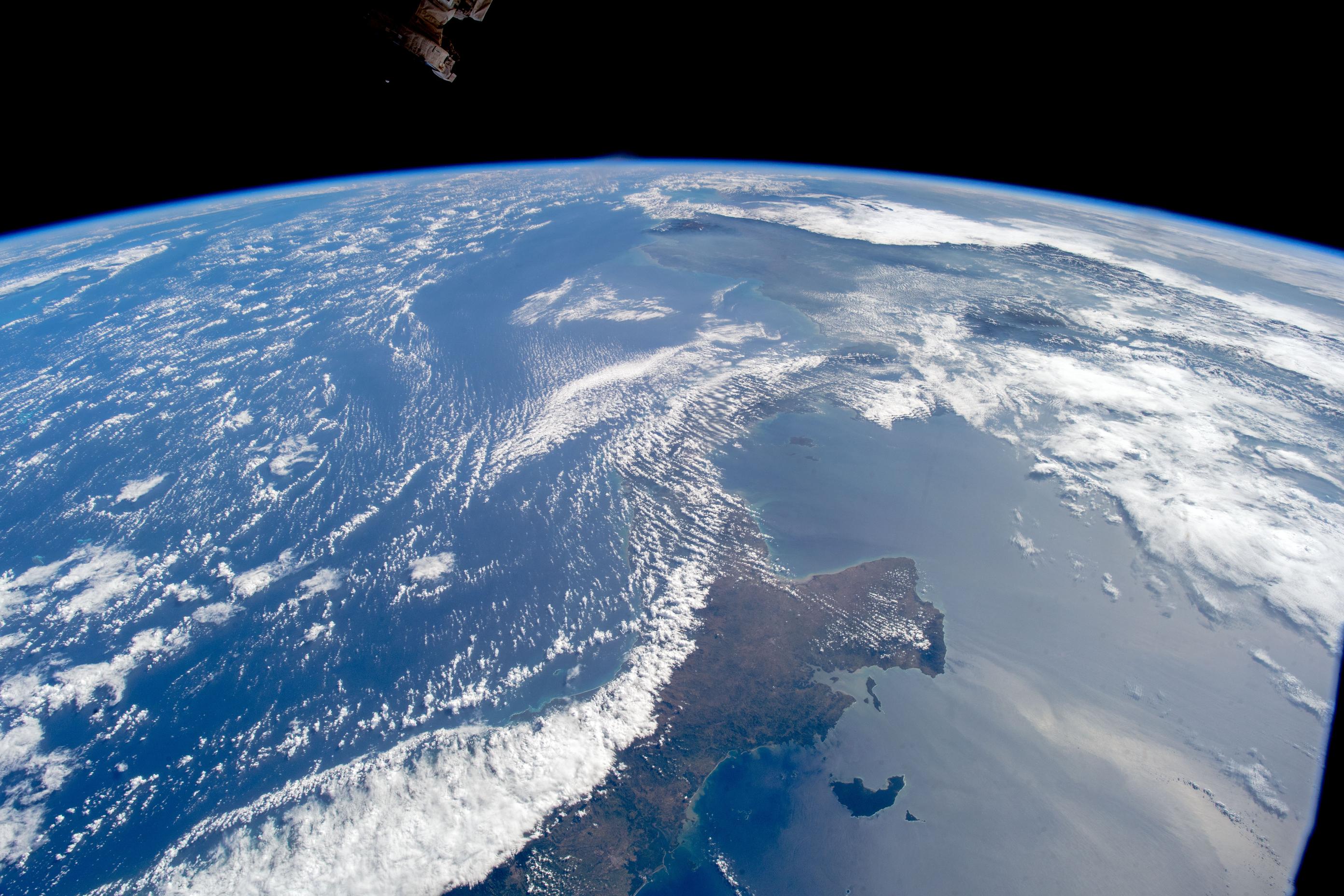
In a year marked by troubling ocean news — record heat, rising seas and mounting pressure on marine life — 2025 still delivered incredible breakthroughs. After nearly two decades of negotiations, the High Seas Treaty crossed the finish line, opening the door to new protections for vast stretches of ocean beyond any nation’s borders.
That milestone was matched by quieter, hard-won progress closer to shore. Our top ocean stories of 2025 took us to Mexico’s Baja coast, where the world’s largest “ghost net” was removed from the sea; to Indonesia, where bold leadership pushed back against the expansion of nickel mining; and to Peru’s northern coast, where a small fishing community is fighting to keep its traditions — and its fishery — alive amid growing pollution.
You can advance work like this in 2026 — backing the people and ideas that are helping nature recover and endure.
Here are some top highlights from the year:
Historic high seas treaty crosses finish line
After decades of work, a new era for ocean protection is about to begin. In January 2026, the High Seas Treaty comes into force — allowing international waters to be protected from threats like deep-sea mining, lawless fishing fleets and climate change.
“This is a major win for our oceans and all of us who depend on them,” said Monica Medina, Arnhold Fellow at Conservation International. “The high seas belong both to no one and all of us. We have the rare chance to stop the loss of nature before we lose it forever.”
Indonesia halts mining in treasured islands
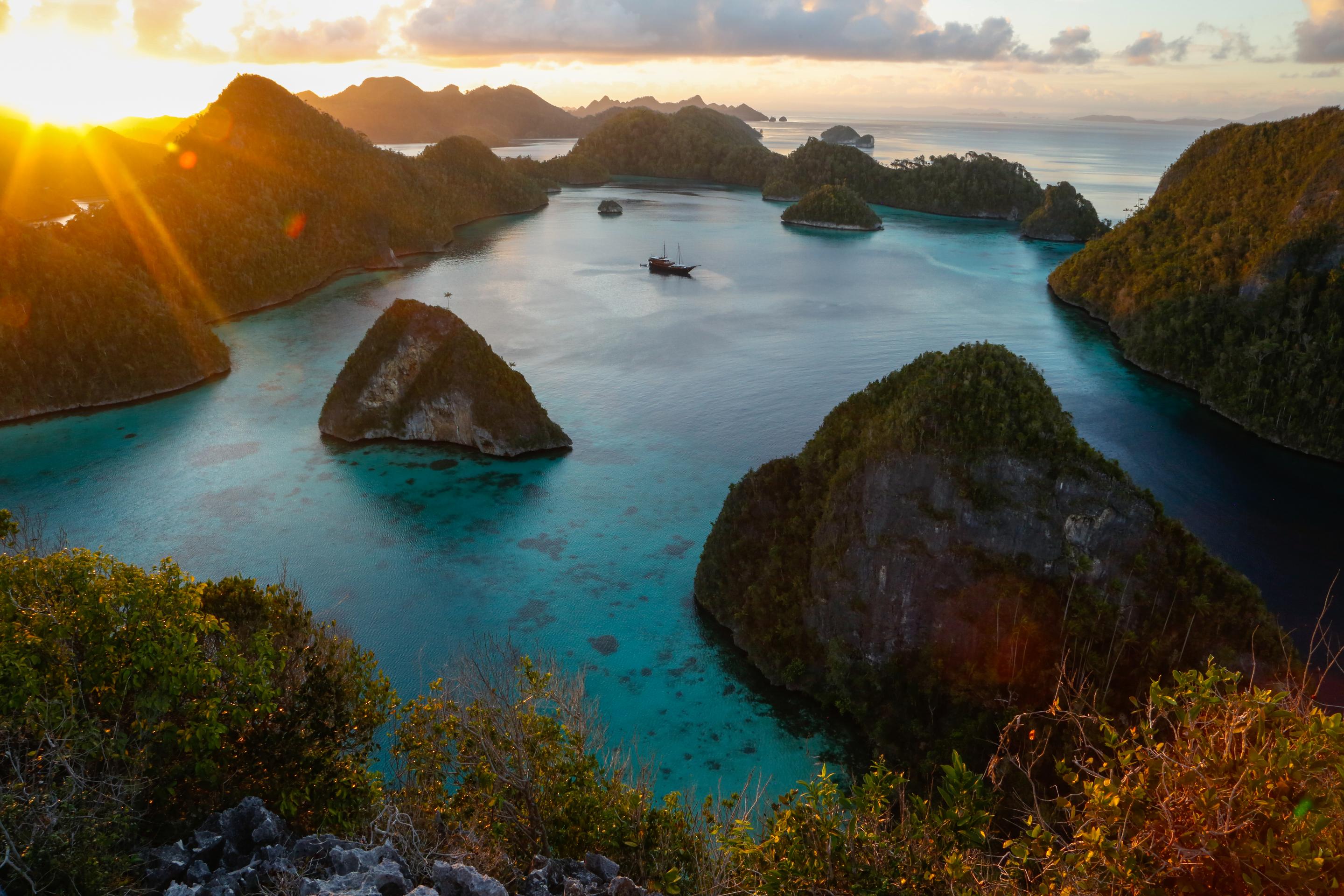
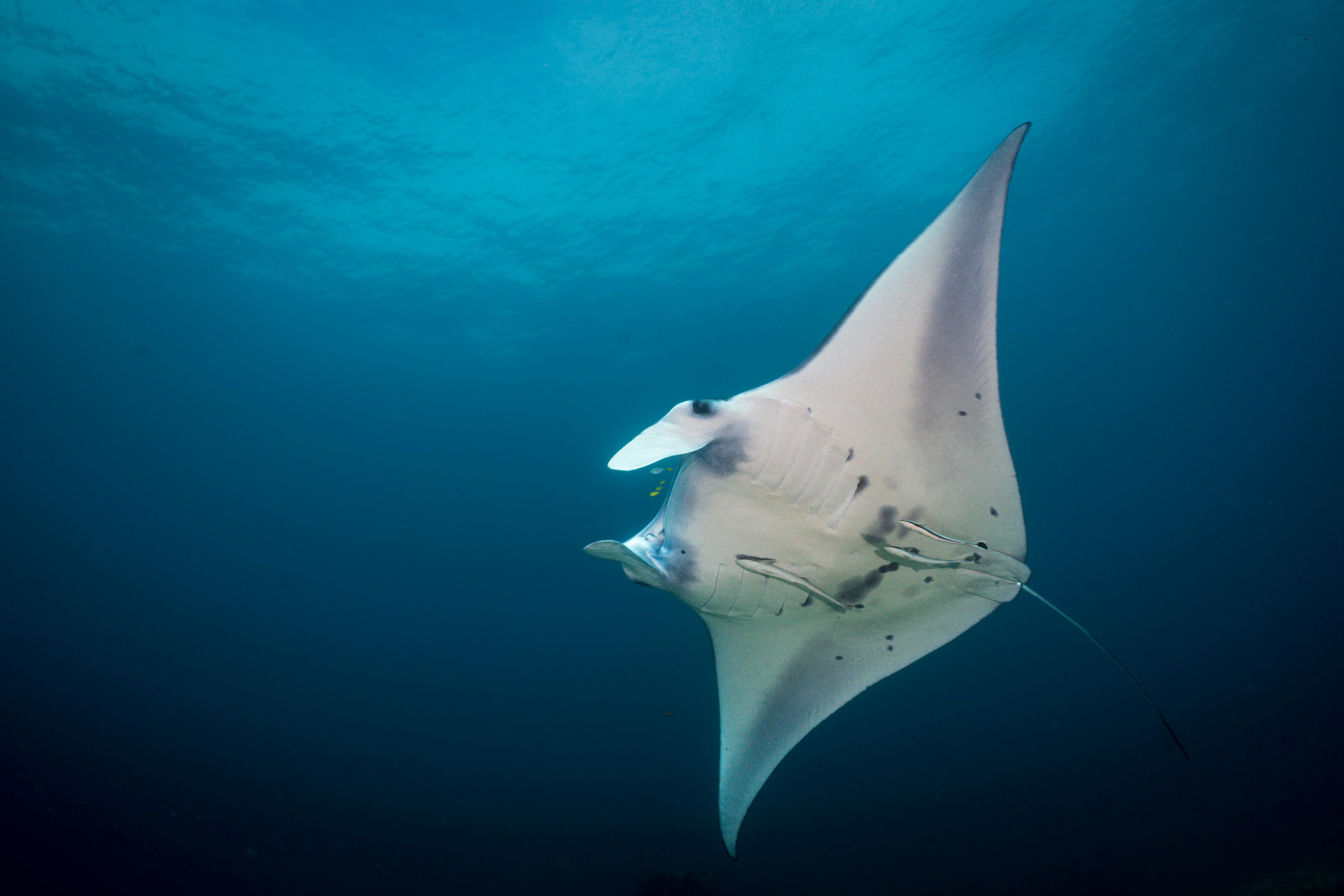
Raja Ampat’s vast coral gardens, craggy coastlines and abundant wildlife were under threat from destructive nickel mining. Scientists from Conservation International, and its local partner, Konservasi Indonesia, sounded the alarm after discovering that this archipelago is the only place on Earth where manta ray populations are growing.
That finding helped prompt a bold response: The Indonesian government revoked four mining permits, offering a lifeline to some of the most biodiverse waters on the planet — and to the communities who depend on them.
Can these fishermen save a 3,000-year tradition?
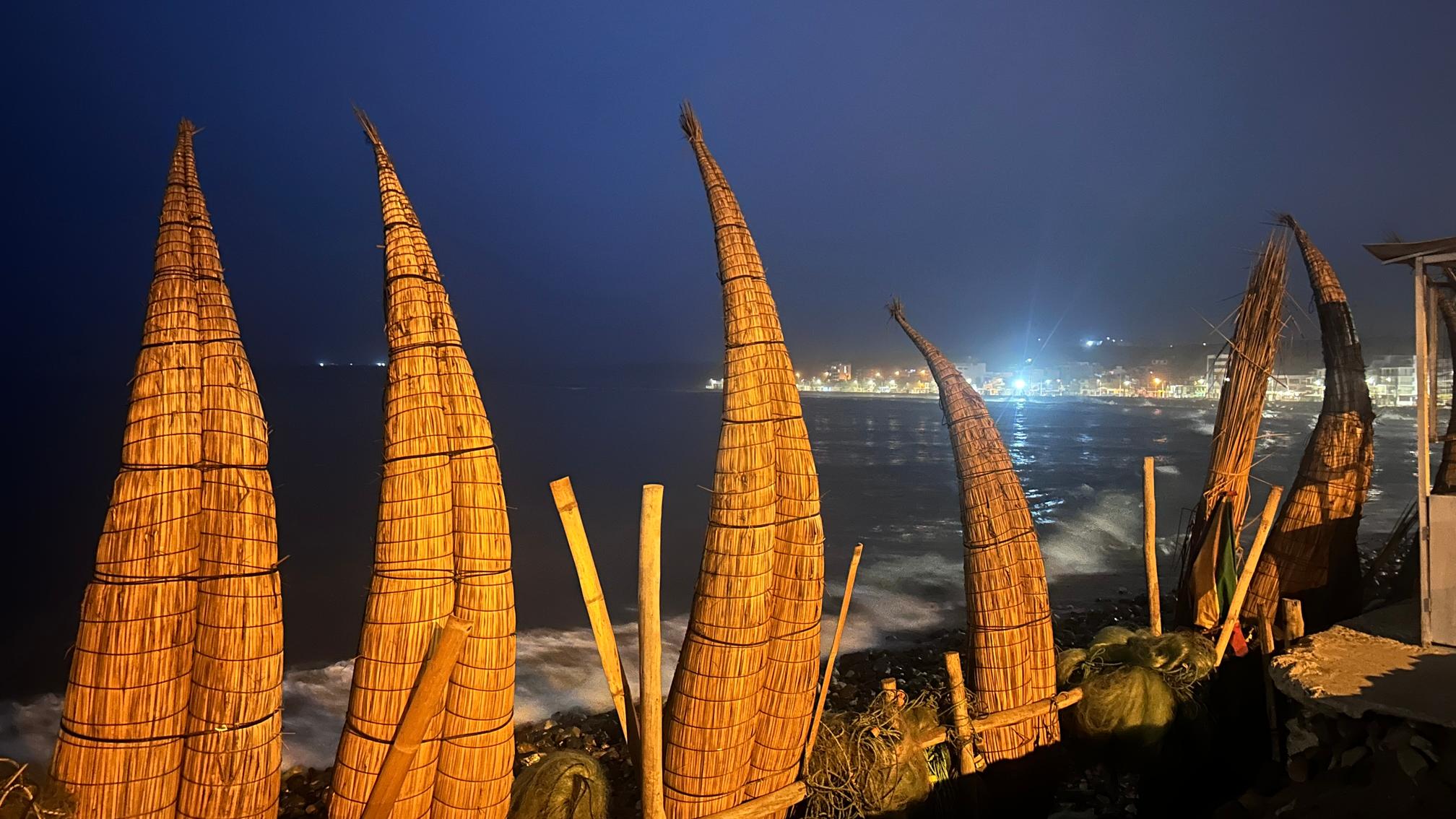
In Huanchaco, an iconic surf town on Peru’s northern coast, a handful of fishermen cling to a vanishing way of life that dates back to the ancient Chimu civilization. For over three millennia, these men have built their reed boats, the caballitos de totora, from the reed grass in the wetlands just beyond their homes. But in 2025, repeated sewage spills devastated the totora ponds, wiping out an entire year of reed production and cutting off the fishermen’s ability to build new boats and to fish. Now, Conservation International is helping the fishermen preserve their 3,000-year-old traditions — starting with building new totora ponds.
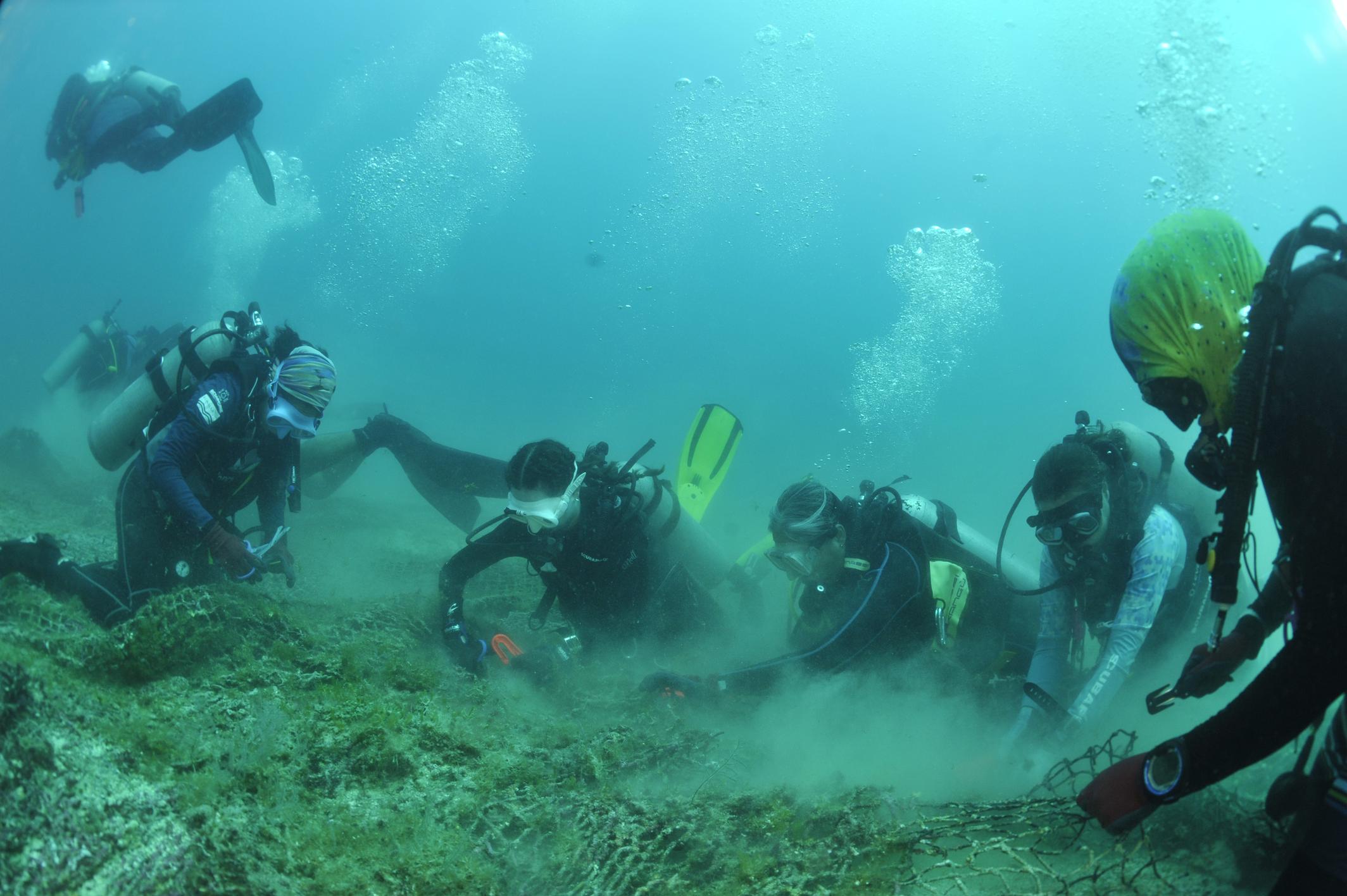
Off Mexico’s coast, divers nab biggest ‘ghost’ yet
Beneath the turquoise waters off Mexico’s Baja coast lay a discarded fishing net — a “ghost net” so massive and tangled that its removal would take three days, 16 divers and the support of the Mexican Navy. The stakes were high: During a carefully coordinated operation led by Conservation International-México, the team encountered three dead sea turtles — a stark reminder of what these nets leave behind.
“No other living being has the capacity to repair nature, but we do — and we know how,” said Conservation International dive expert Edgar Ochoa. “When we pulled the first section of the net, it felt like paying back a small part of our debt to nature.”
Landmark debt swap to protect Indonesia’s coral reefs
With support from Conservation International, the government of Indonesia announced a groundbreaking “debt-for-nature” swap with the United States that will direct $35 million to the restoration and protection of critically important marine ecosystems, including the legendary Raja Ampat. Debt-for-nature swaps, which Conservation International pioneered in the 1980s, help developing countries achieve two things: reduce heavy debt burdens and find funding for conservation. The new deal will fund coral restoration in two key areas of the Pacific Ocean’s Coral Triangle — the Bird’s Head and Lesser Sunda-Banda seascapes, which hold three-quarters of the world’s coral species and more than 3,000 types of fish, turtles, sharks, whales and dolphins.