


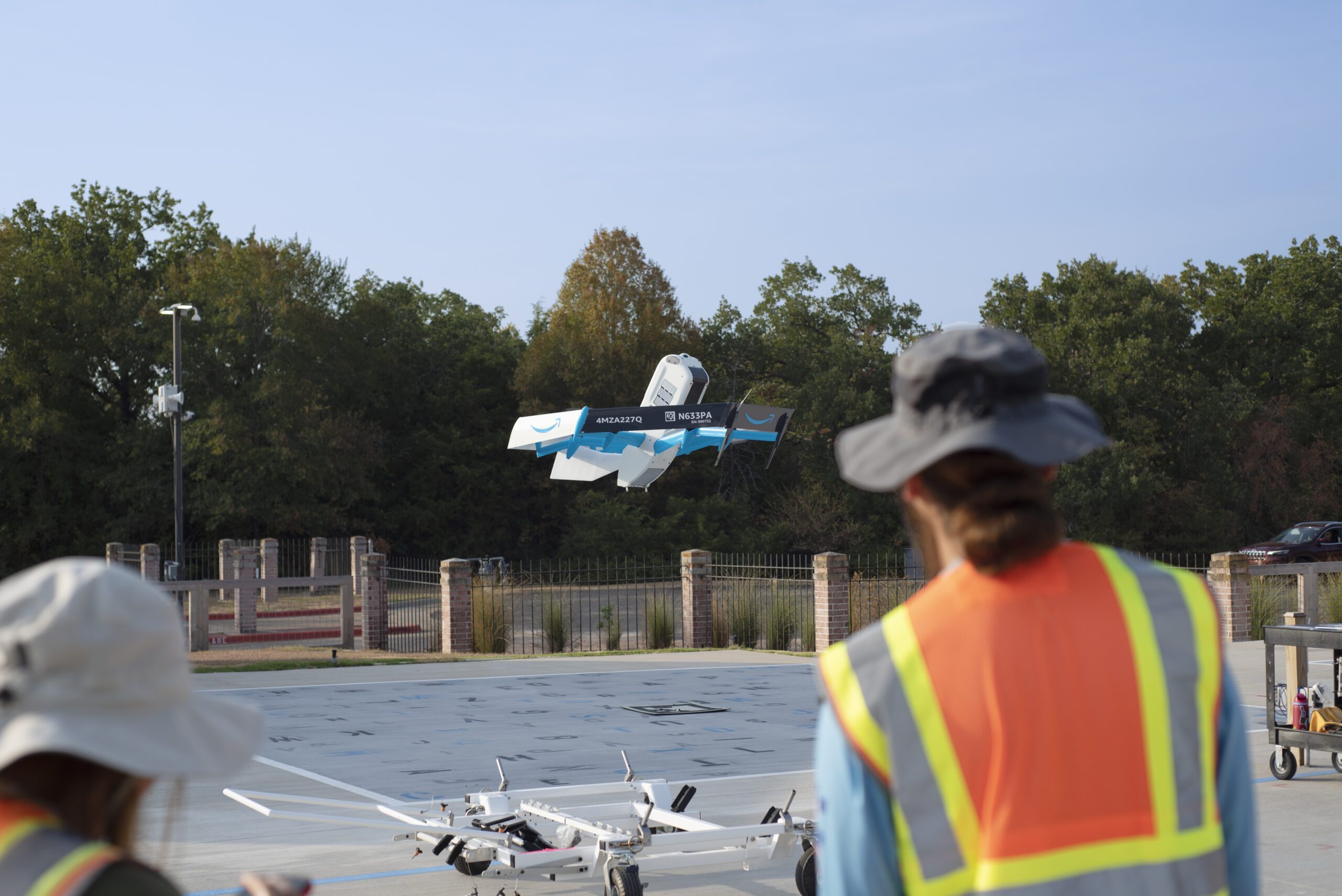
Amazon has paused its plans to launch commercial drone delivery in Italy, even after completing successful test flights and working closely with aviation regulators. The move highlights an important reality in the drone delivery industry: earning approval to fly is only one part of the equation. For a program to move forward, the broader business case has to work as well.
What Happened in Italy
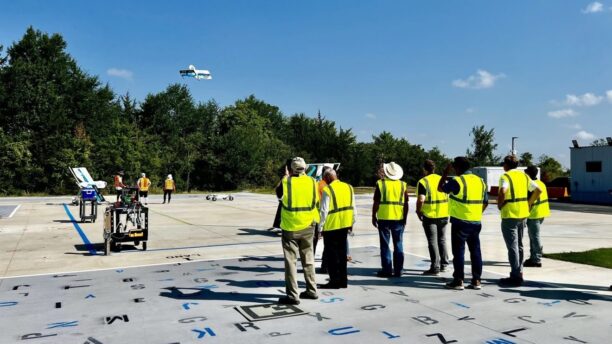
Reuters reported that Amazon decided not to continue its Prime Air drone delivery rollout in Italy following a strategic review. The company said that cooperation with Italian aviation authorities had been positive, and testing in San Salvo showed the drones could perform safely. However, Amazon determined that the broader business and regulatory framework in Italy does not support its long-term goals for the program at this time.
Italy’s civil aviation authority, ENAC, described the decision as unexpected. The agency suggested that it may have been influenced by internal financial and strategic priorities within the company, rather than by aviation safety or airspace concerns. That reaction reinforces the idea that aviation approval alone does not guarantee commercial deployment.
Commercial Realities
Much of the discussion around drone delivery has focused on regulatory milestones such as flight permissions, BVLOS approvals, and aircraft certification. These are difficult and important steps, and regulators continue to develop rules that support safe operations.
However, Amazon’s decision in Italy shows that economic and commercial realities carry equal weight.
Even when drones are cleared to operate, companies still have to evaluate factors such as operating cost, insurance requirements, infrastructure investment, workforce needs, demand patterns, and competition from existing delivery networks. A program may meet aviation standards but still fall short when measured against financial expectations or growth targets.
In many places, drone delivery is still emerging as a solution for narrow or specialized use cases. It tends to be most practical in locations where distance, geography, delivery volume, and community conditions all align in the right way. Those environments exist, but they are not universal.
-
In some regions, drone delivery may offer faster or more efficient movement of goods, especially in rural or hard-to-reach areas.
-
In others, dense urban streets, short delivery distances, and mature courier networks make ground delivery faster and less costly.
Italy’s experience reflects this patchwork of conditions and the challenge of scaling a new delivery model across markets that do not share the same economic or logistical realities.
A Patchwork of Global Market Conditions
Amazon continues to operate or expand drone delivery in select parts of the United States and has ongoing initiatives in other countries. The fact that the program is moving ahead in some regions but pausing in others helps illustrate how uneven the path to growth remains.
Where population density, terrain, travel distances, and commercial rules create an advantage, drone delivery may become a useful tool. Where established ground networks already operate efficiently, the benefit may be limited. The Italian case shows that even when regulators are supportive, broader business and market conditions must also align.
Drone Delivery Is an Additional Option, Not a Replacement
Early enthusiasm around drone delivery sometimes suggested that it might replace many traditional delivery methods. Developments like this one point to a more balanced future.
Rather than replacing trucks, vans, or postal services, drone delivery appears more likely to become another option within a complex logistics system. It may be best suited to situations where time-sensitive items, remote locations, medical transport, or difficult terrain make conventional delivery slower or less practical.
In most cases, it will join existing systems, not eliminate them.
A More Realistic View of Growth
Amazon’s pause in Italy offers a clearer view of how the drone delivery sector is likely to evolve. Technology readiness and regulatory approval are necessary steps, but they are not the only ones that matter. Economic feasibility, regional logistics patterns, and local demand will continue to shape where and how drone delivery expands.
Instead of a sweeping replacement of traditional delivery methods, growth may come through targeted deployments in places where environmental, financial, regulatory, and demand factors work together. Over time, drone delivery may prove most successful as a complementary tool that strengthens logistics networks where it makes sense to use it.
Read more:

Miriam McNabb is the Editor-in-Chief of DRONELIFE and CEO of JobForDrones, a professional drone services marketplace, and a fascinated observer of the emerging drone industry and the regulatory environment for drones. Miriam has penned over 3,000 articles focused on the commercial drone space and is an international speaker and recognized figure in the industry. Miriam has a degree from the University of Chicago and over 20 years of experience in high tech sales and marketing for new technologies.
For drone industry consulting or writing, Email Miriam.
TWITTER:@spaldingbarker
Subscribe to DroneLife here.

