



Transportation Secretary Sean Duffy has made it no secret that he wants passengers to stop wearing sweatpants on commercial flights and that air travel would be better if we obliged. The perennial pandemonium around the winter holidays illustrates how Duffy’s belief is incredibly incorrect. After analyzing data from the past 25 years, the CBC found that more disruptive passenger reports are filed in December than in any other month. It’s a trend that’s echoed south of the border in the United States. According to the Federal Aviation Administration, there were 2.4 unruly passengers reported per 10,000 flights. The figure is nearly double the weekly average over the following year.
The uptick in incidents immediately raises the question of the root cause. It’s not because passengers aren’t well-dressed. Most importantly, it’s the busiest travel period of the year. Passengers are under immense pressure to reach their destination on time, even though nothing is in their control other than which carrier they are flying with. Alia Hussain, a flight attendant and the president of Canada’s largest flight attendants’ union, told the CBC, “We continue to see more passengers with elevated stress levels, lower tolerance for delays or service limitations and a greater willingness to challenge safety instructions in general.”
Maybe things would be different if airlines were better
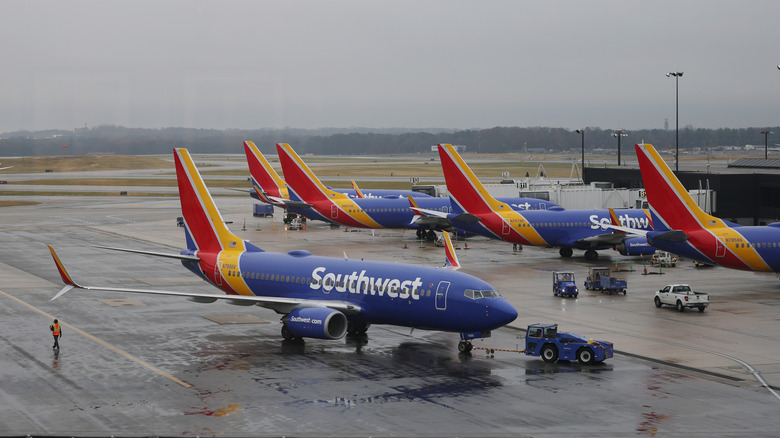
It seems like the most straightforward way to reduce the number of unruly passengers is to provide better service. The people filing into aircraft cabins would be less stressed out if they didn’t have to worry about their flight being delayed or leaving enough time to get through security. Airlines have often shown they operate with zero tolerance for any external issues. Let’s not forget the catastrophic operational meltdown that Southwest Airlines had in December 2022. A winter storm led the low-cost carrier to cancel around 16,900 flights as its scheduling system completely collapsed.
Besides the record $140 million fine imposed on Southwest, management rarely faces the repercussions for the decisions that make flying miserable for the masses. The personnel who have to deal with unruly passengers face-to-face are the flight attendants and gate agents. Hasan told the CBC, “We work irregular hours, face challenging operating conditions… and often experience consecutive minimum-rest duty days. The combination creates a far more intense environment than a typical travel month, for both the passengers and crew.” Along with the FAA continuing its zero-tolerance policy against unruly behavior, the government needs to properly regulate airlines to ensure a basic standard of operations, not revoke every consumer protection rule.

