


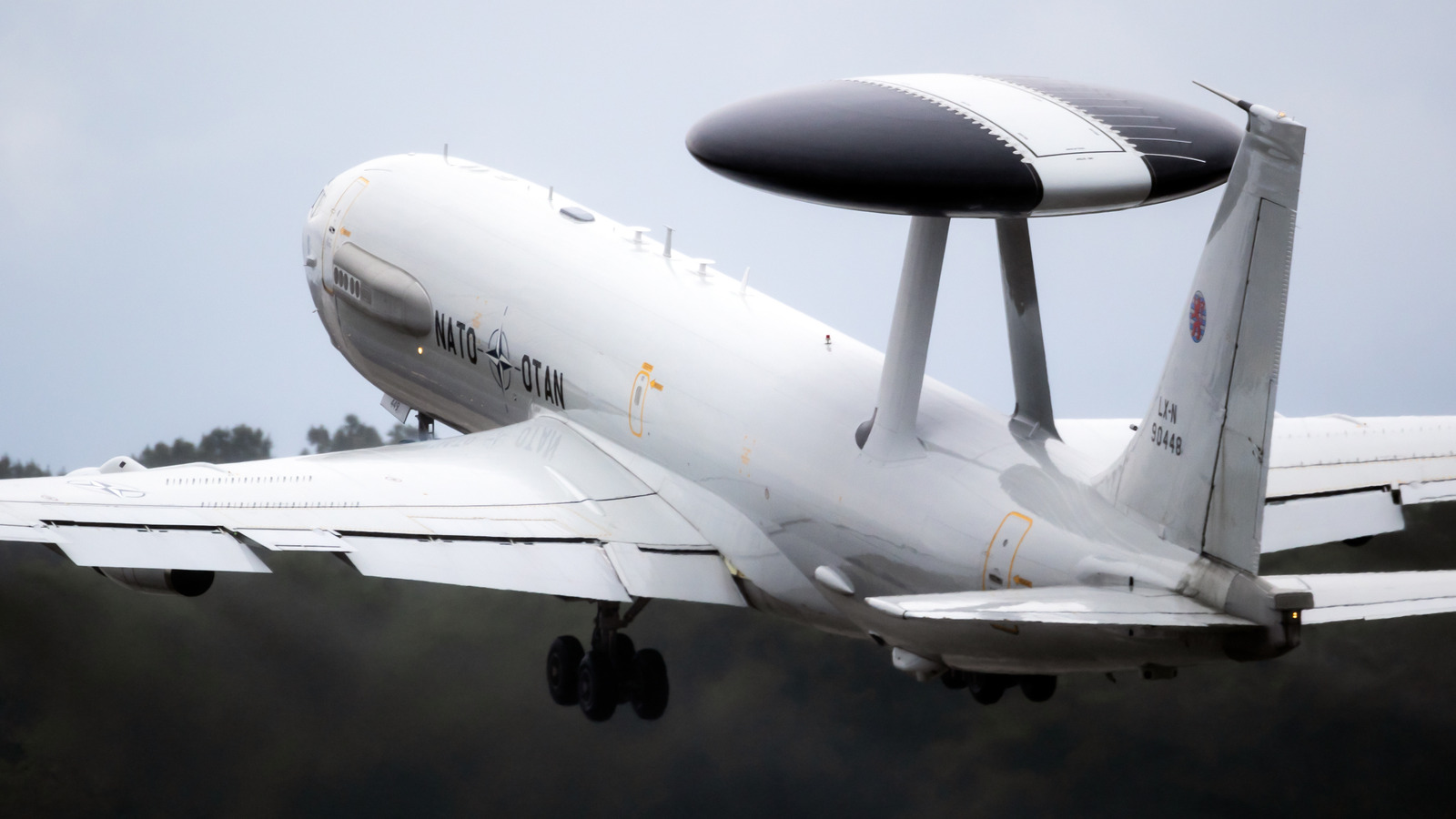
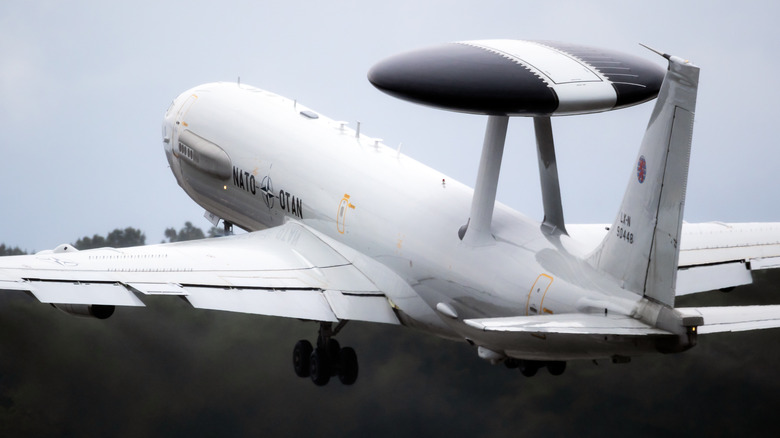
The Boeing E-3 AWACS has been the quarterback of the skies for nearly 50 years, a flying radar station able to detect enemy planes and missiles and then give recommendations to friendly pilots. The giant rotating disc on its back makes it one of the more recognizable airframes ever made. But as powerful as it is, the AWACS is getting pretty old at this point and is designated for retirement no later than 2035. Fortunately, there is a plan to replace it in the near future. And then suddenly, there wasn’t. But then it was back! But then it was canceled again. You’re going to need a radar dish just to keep track of all this.
The main problem with the E-3 is twofold: it’s built on a Boeing 707 platform, which is getting harder and harder to find parts for, and its signature radar is a generation out of date. Good thing that Boeing has an answer to both problems. Its newer E-7 radar plane is built on the still-in-operation 737 platform, sensing the skies with a cutting edge multirole electronically scanned array rather than an old-school rotating disc. Better yet, the E-7 is already flown by allied air forces in Australia, Turkey, and South Korea. Seems like a pretty straightforward swap, then. Indeed, that was exactly the plan. Until it wasn’t.
The air is too dangerous, go to space instead
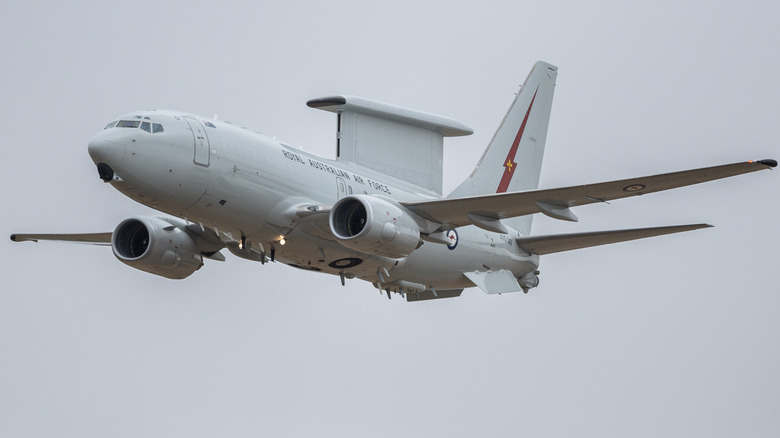
In June, the Department of Defense announced that it was canceling its E-7 orders, citing cost overruns and “survivability concerns” for any radar plane in a modern war. Instead, it declared that it would be looking to buy more E-2D planes and, also, go to space. The E-2 is the AWACS’ much smaller brother flown by the Navy off of carriers. Meanwhile, the true long-term thinking is that detection and battle management will done by satellites and the Space Force in the future. Who needs planes?
Well, according to the Air & Space Forces Association, we do. In a letter signed by six former Air Force Chiefs of Staff and many others, the association urged Congress to restart the plan to acquire E-7s. They pointed out that the E-2 is significantly less powerful than the AWACS, unable to manage a large-scale battle or an entire frontline. More than that, the new E-7 is more versatile than the AWACS it is meant to replace; it would be a step forward, rather than a step down. As for Space Force’s satellites, they note that nobody knows when that system will be operational. The need is now.
We’re back; it’s so over
Congress, meanwhile, doesn’t seem to have gotten the Pentagon’s memo. The House Appropriations Committee continued to fund the development of the U.S. version of the E-7, immediately after it was supposedly canceled. That was reinforced by the program’s inclusion in the government funding bill in September, and then again in the deal that ended the longest shutdown in American history in November, which carved out $200 million for the radar plane’s continued prototyping, per Defense One. In other words, even a bitterly divided Congress is explicitly sending money to a program that the DoD doesn’t seem to want.
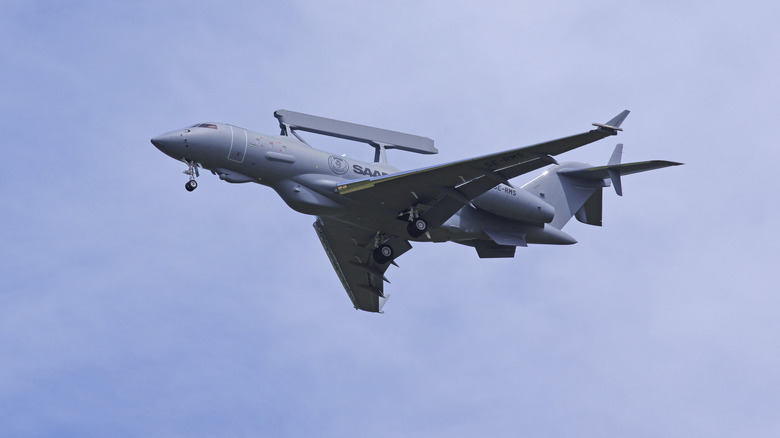
Can beleaguered planemaker Boeing finally breath a sigh of relief? Of course not! While the E-7 navigates its on-again, off-again romance with the U.S., the rest of the world appears to be waving off it altogether. In September, South Korea decided to cancel its future orders of the plane (it does already have four in service) in favor of another model made by L3Harris, per the War Zone. Then in November, the Dutch Ministry of Defense, apparently on behalf of all NATO, declared that it was canceling all its proposed (though never confirmed) orders for the E-7, per the War Zone again. From the sounds of it, NATO wants to start weaning itself off its reliance on American assets and start buying European instead. In this case, that almost certainly means the Saab GlobalEye, which is built on a Bombardier Global 6000/6500 platform.
Putting that all together, the current plan appears to be… uh, muddled. The E-7 is an established aircraft that nobody seems to want anymore, even though the need is greater than ever. At least our allies are bringing other models into their fleets. The U.S.? I’m going to need a bigger dish to detect that one.

